Univ bids farewell to its Robinia tree
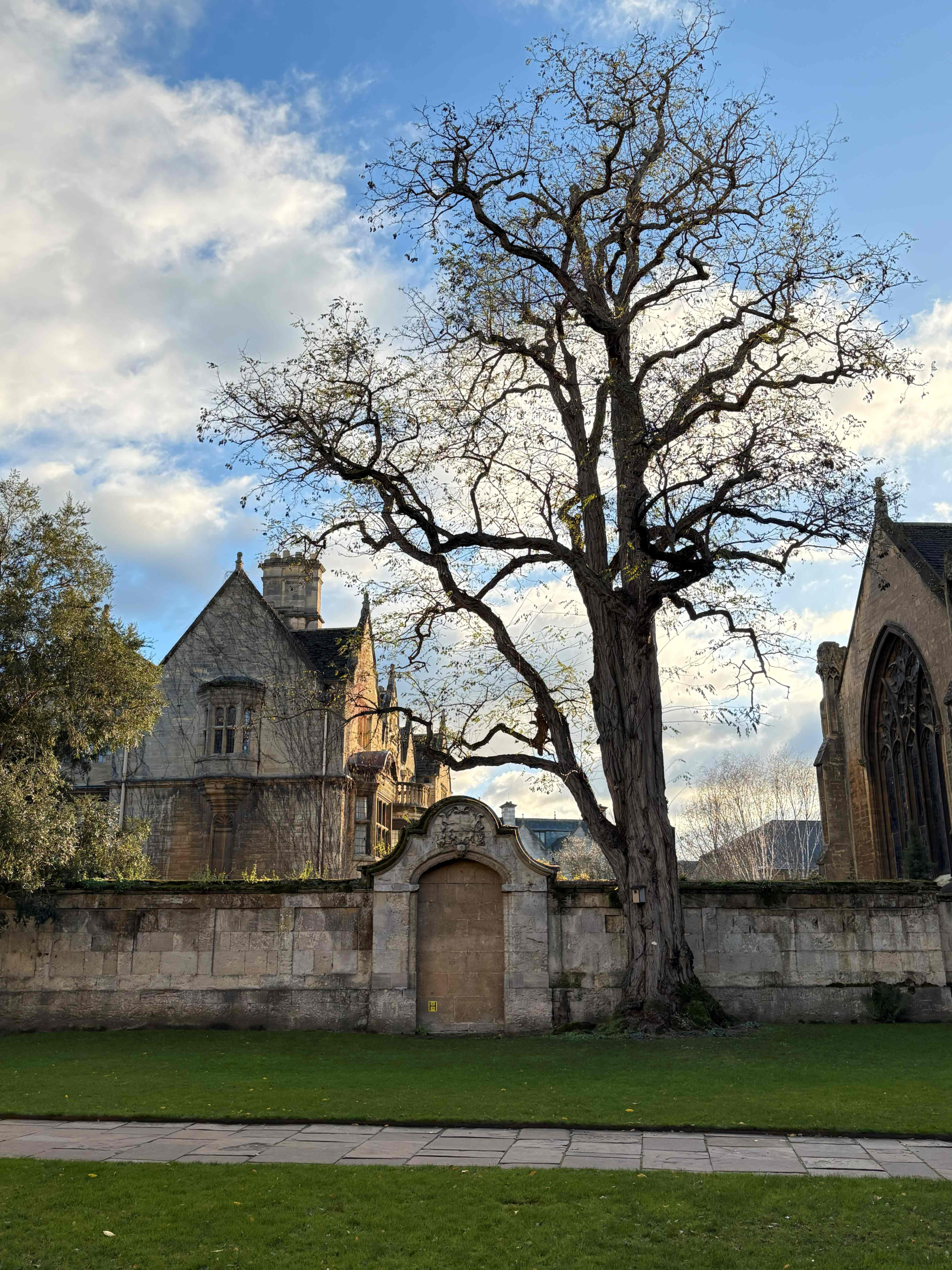
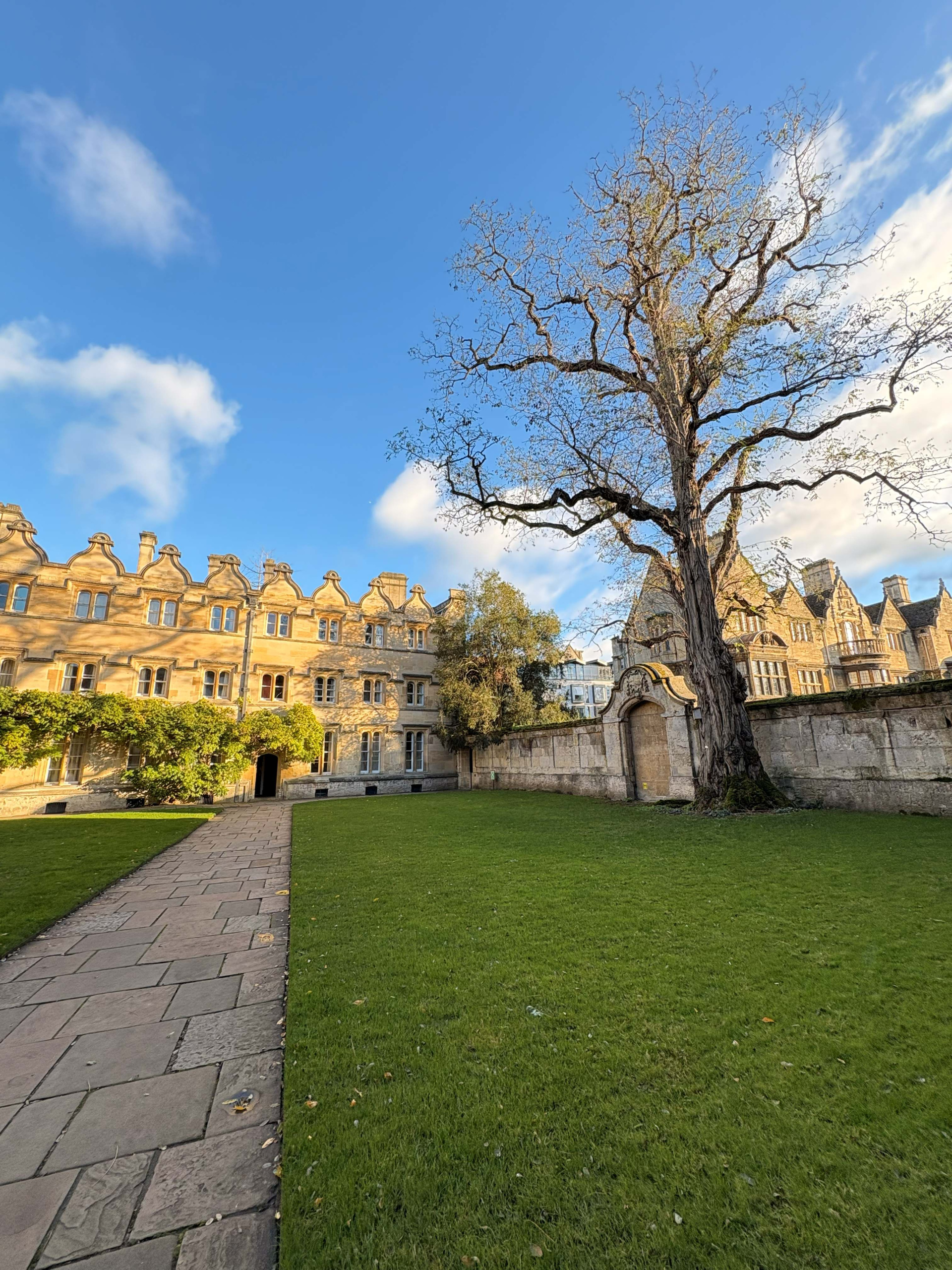
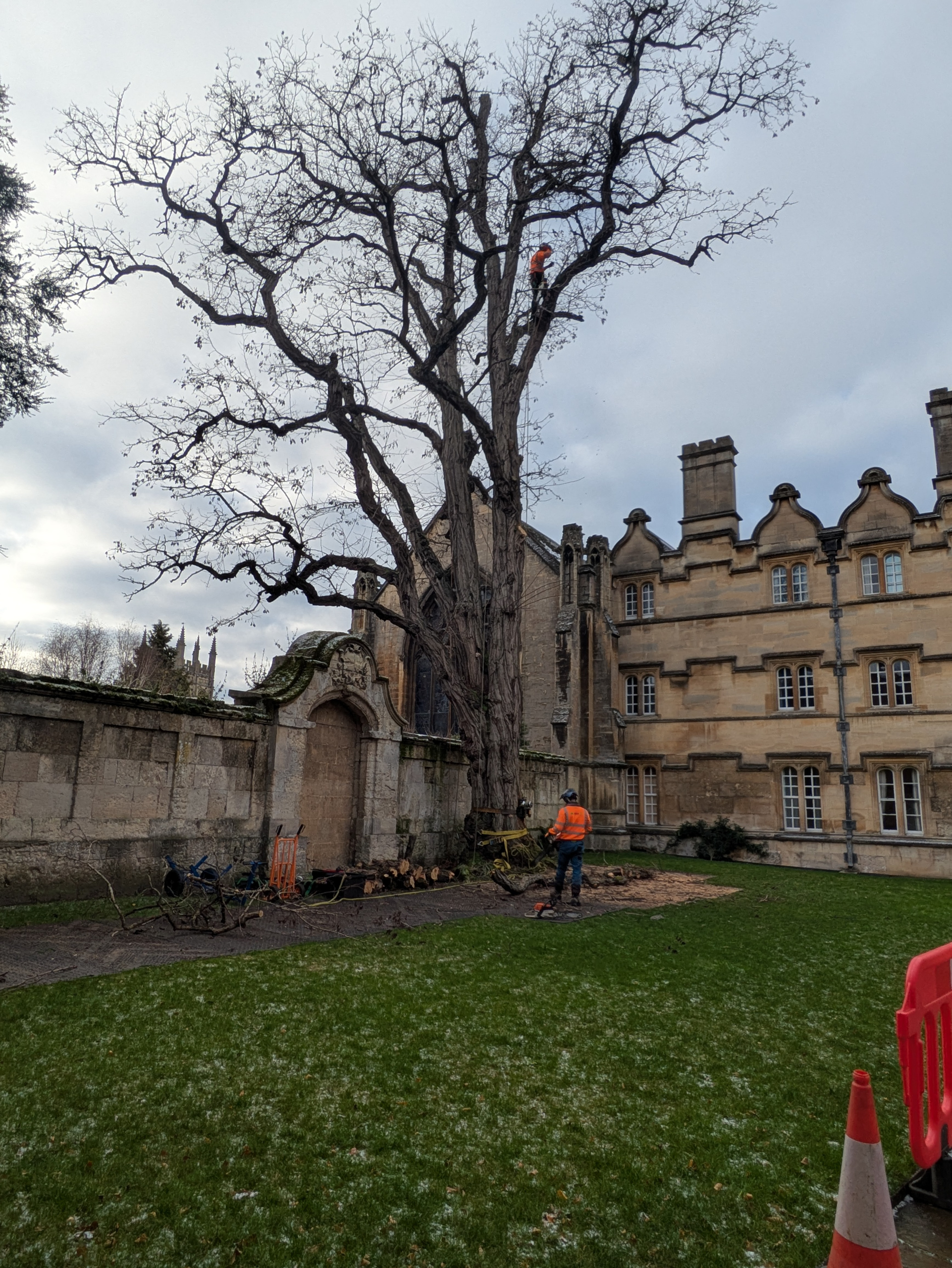
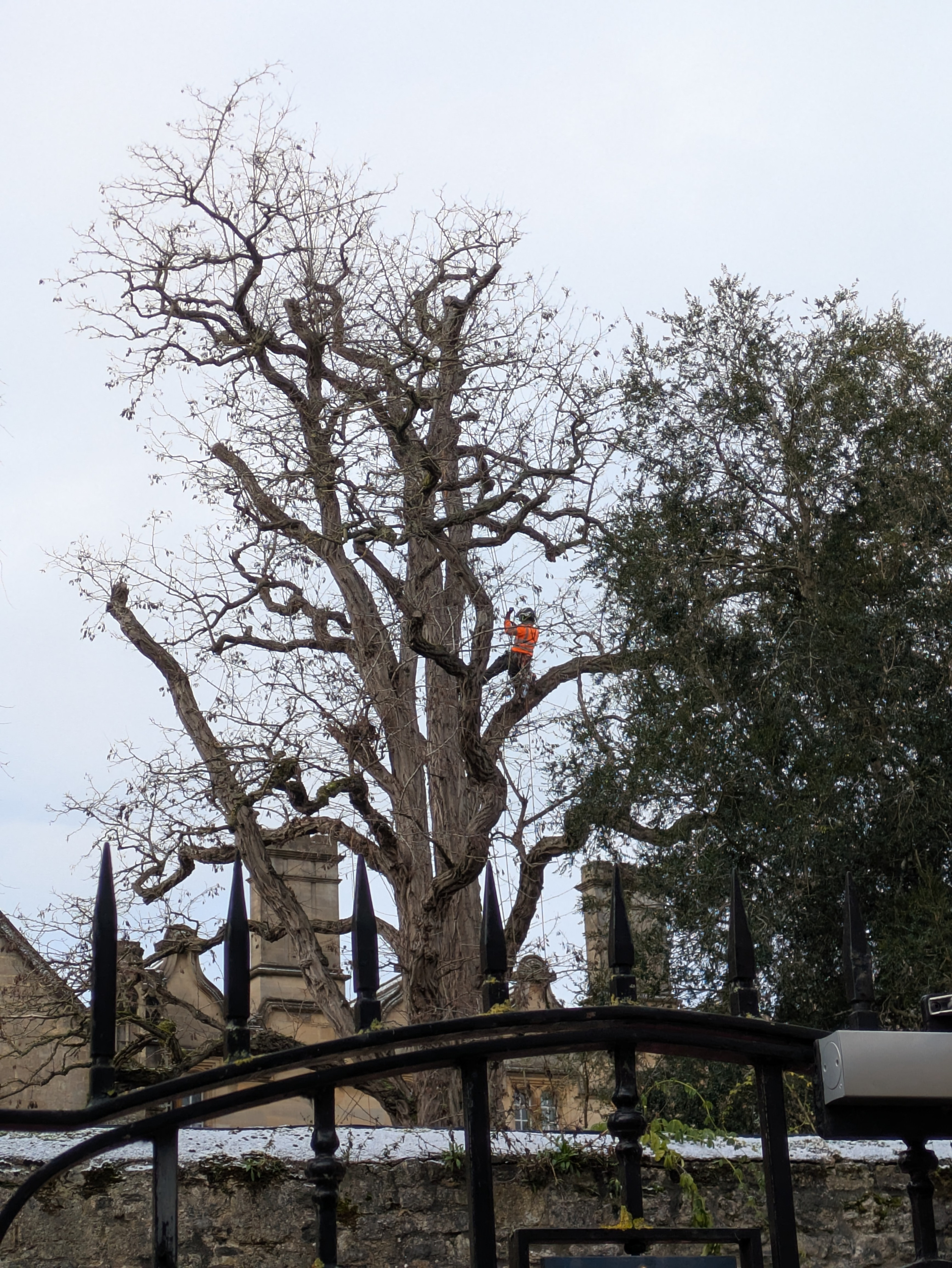
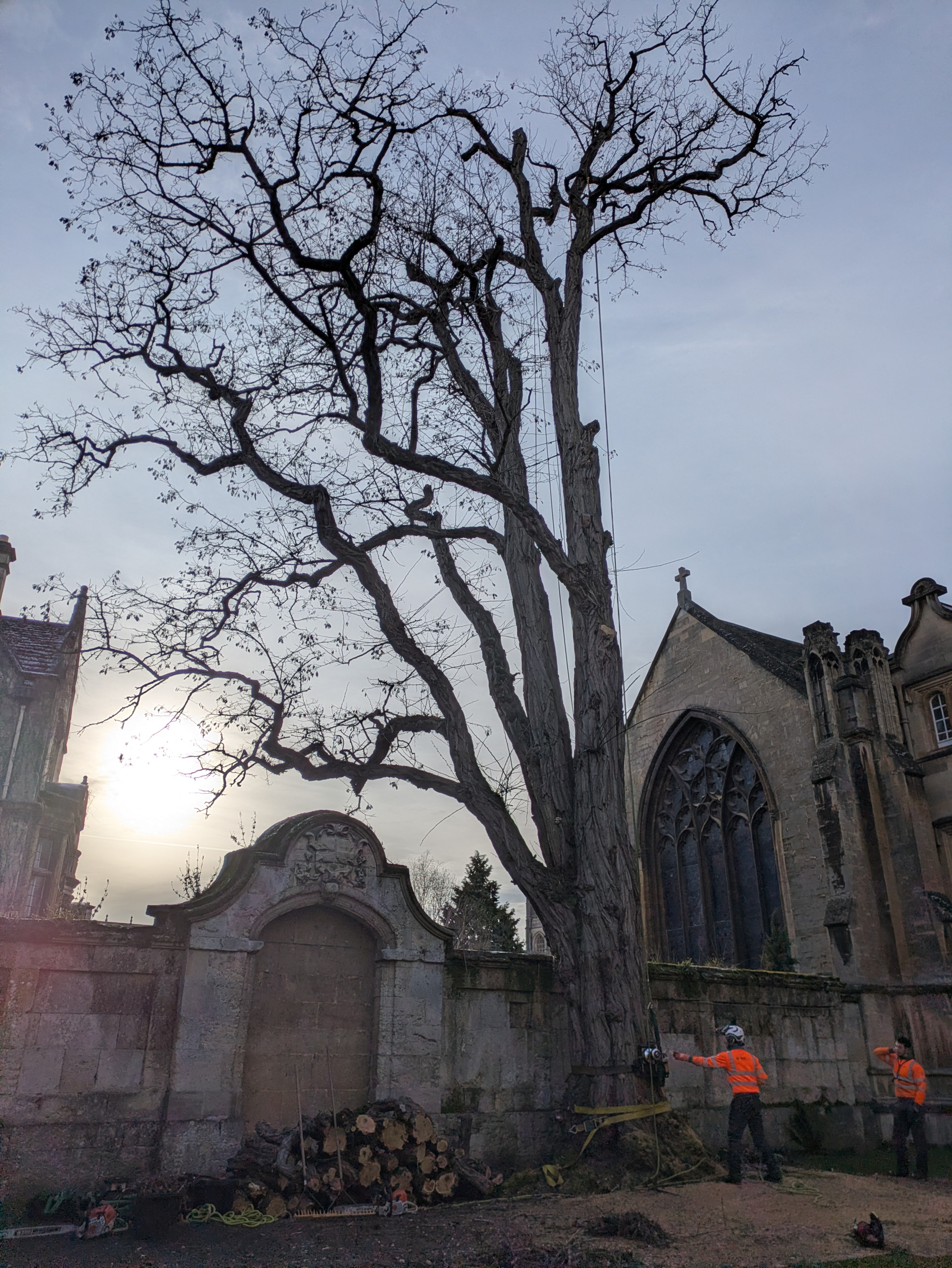
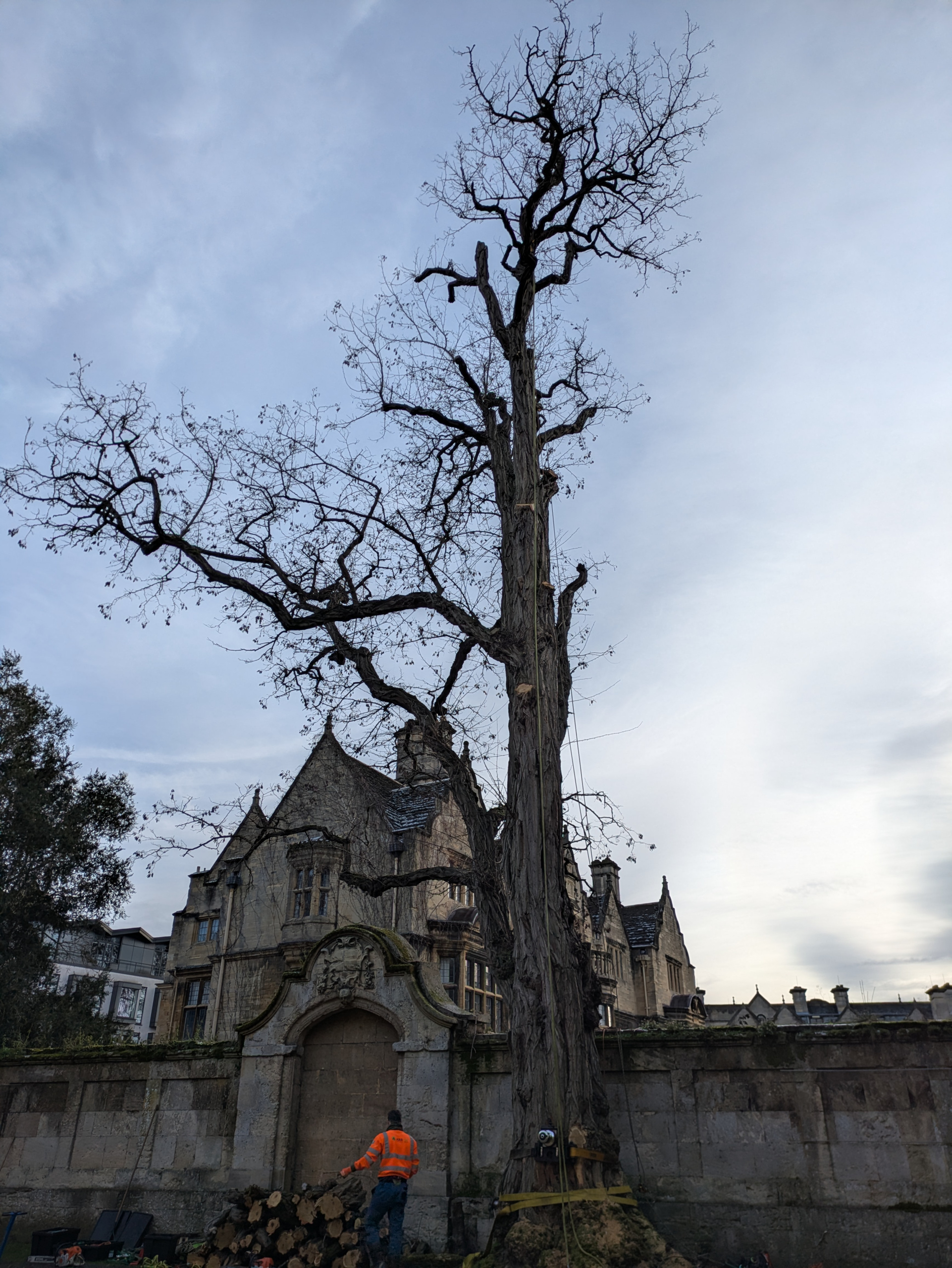
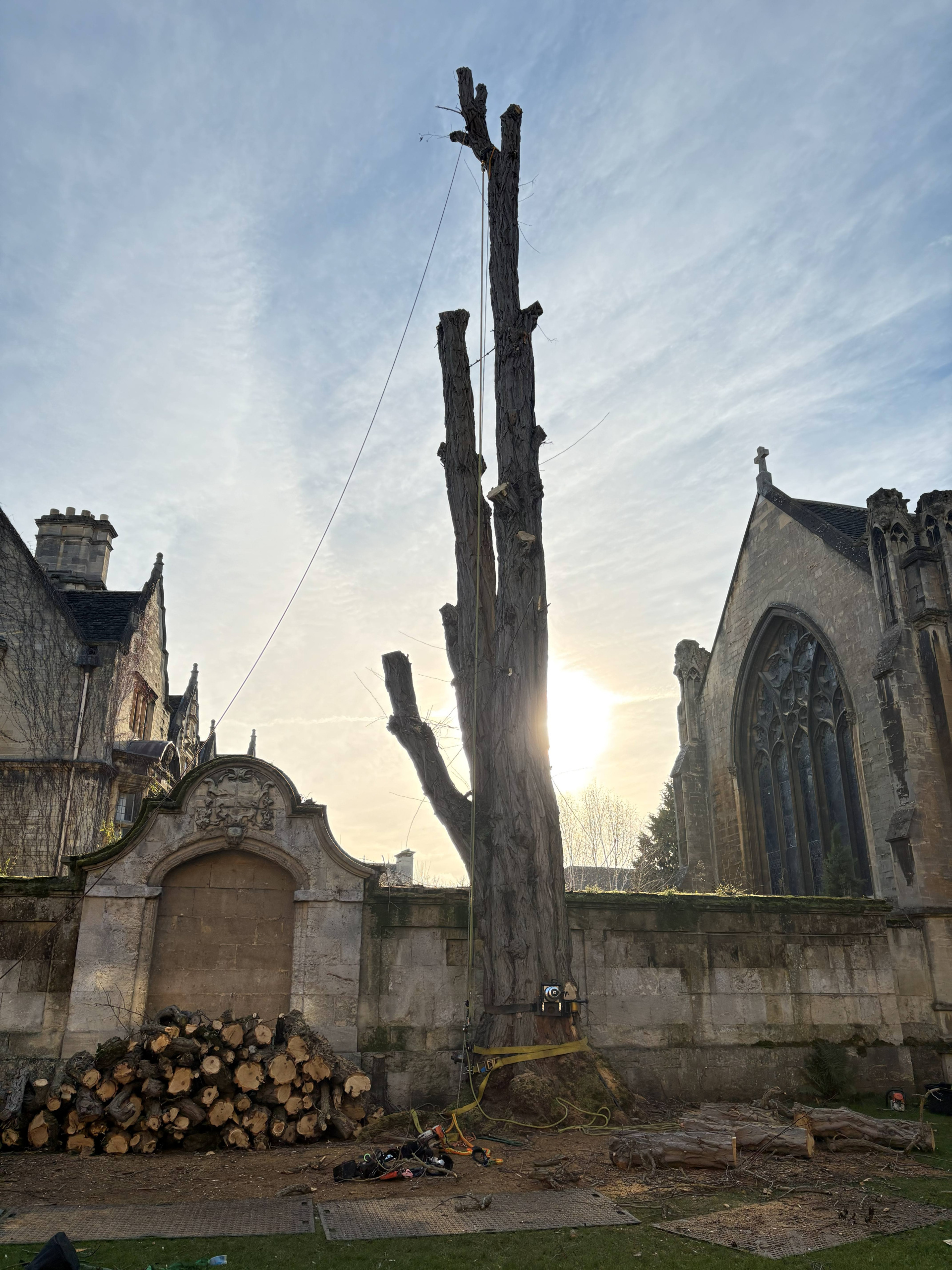
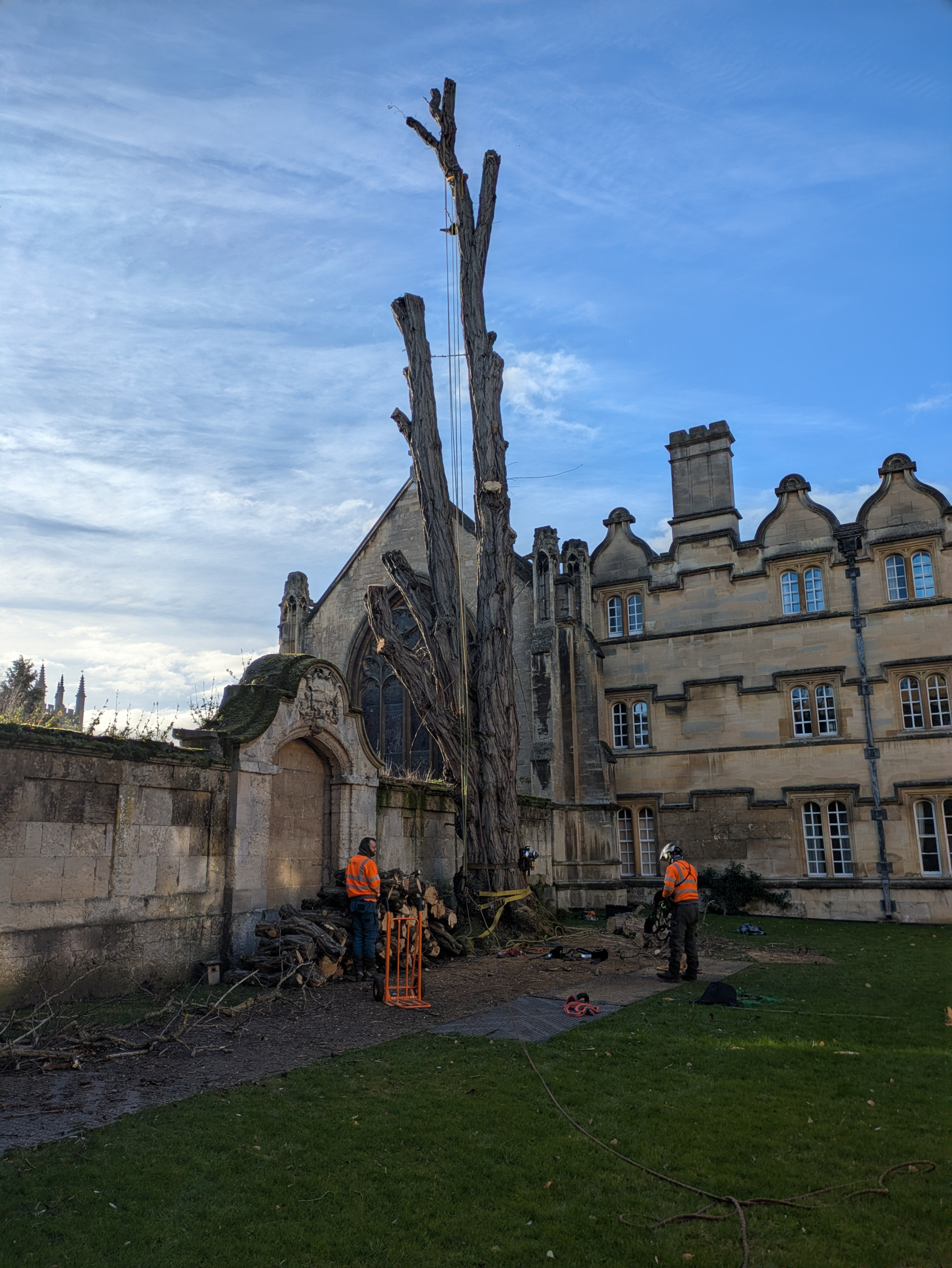
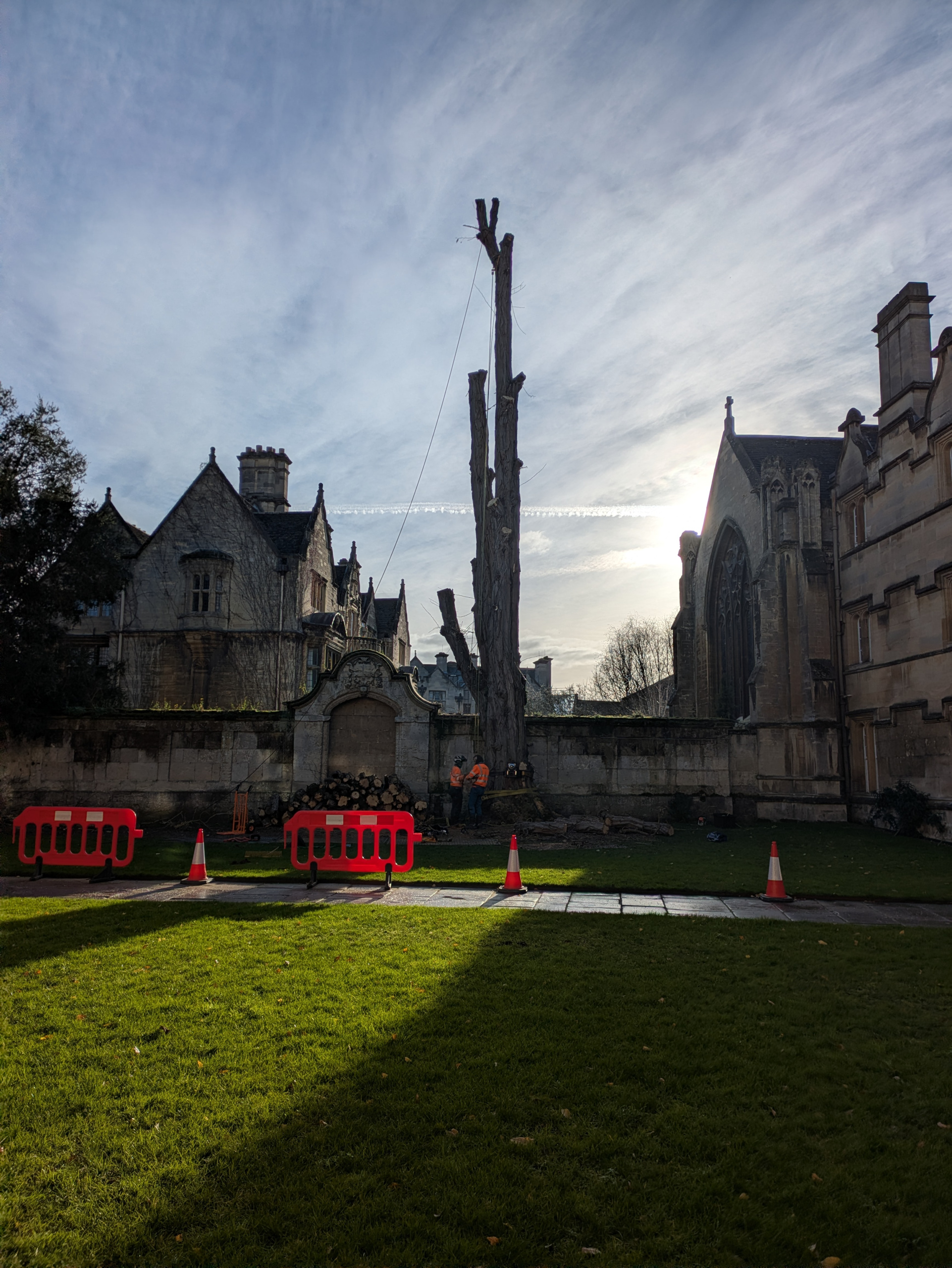
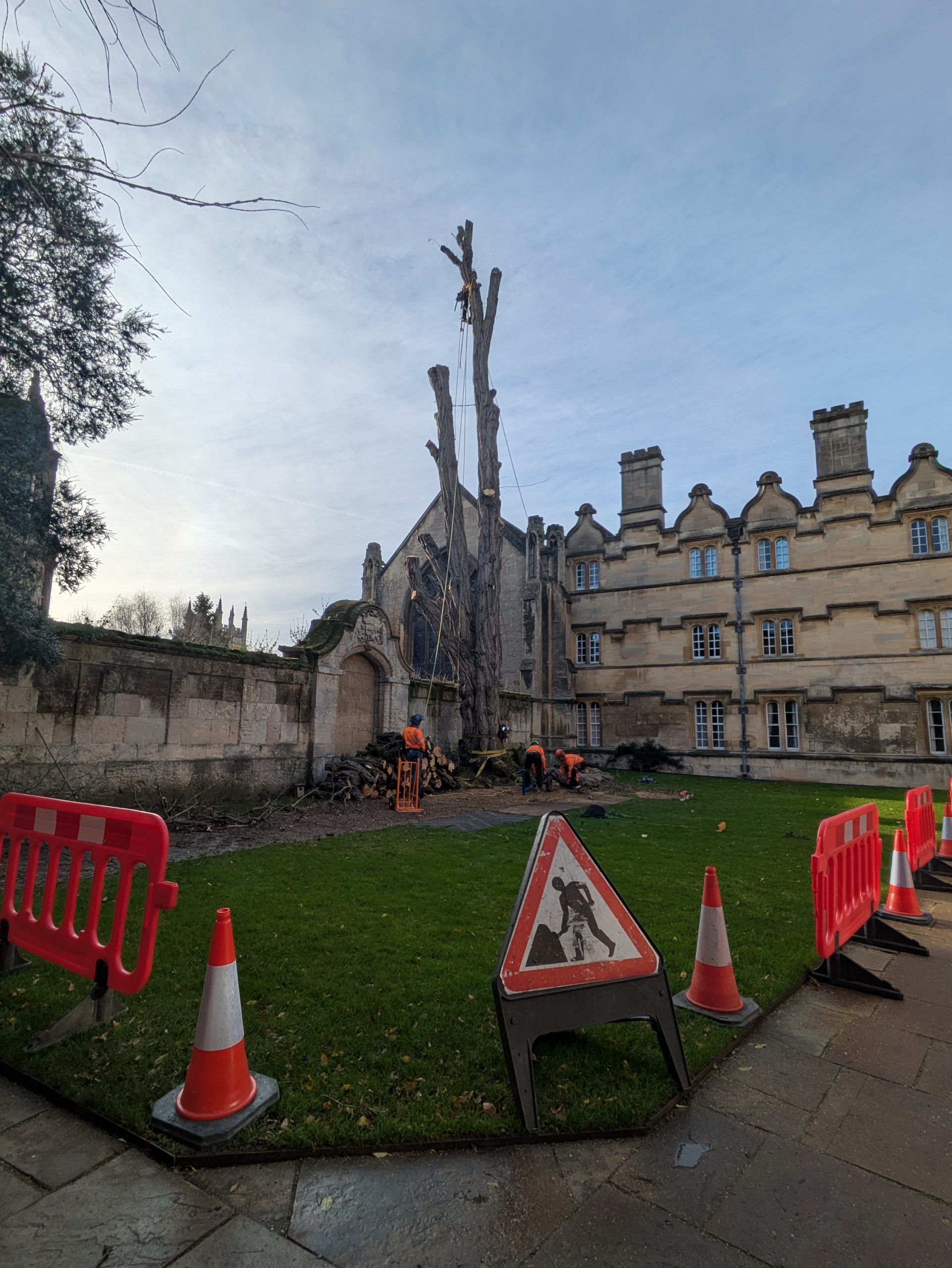
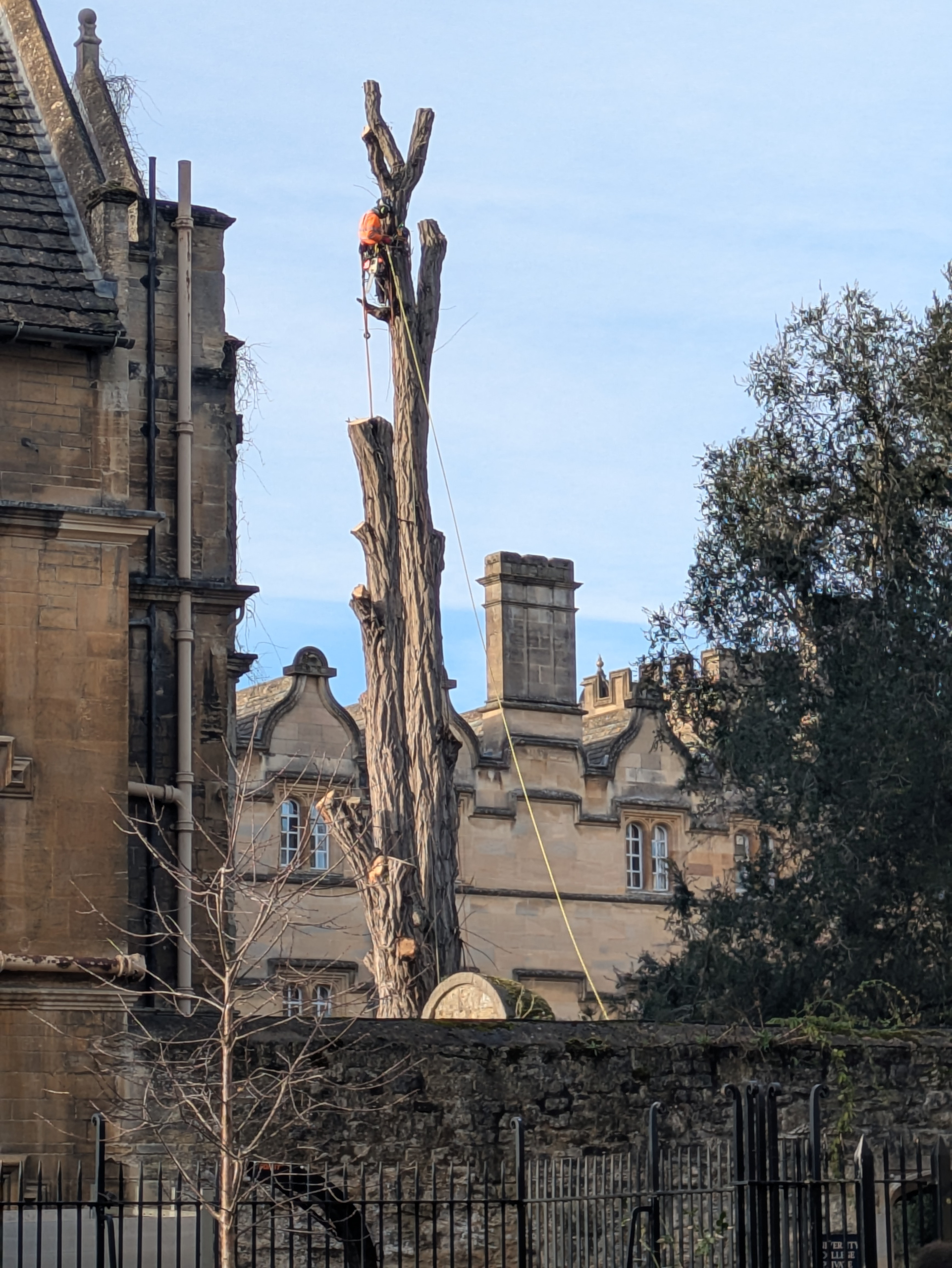
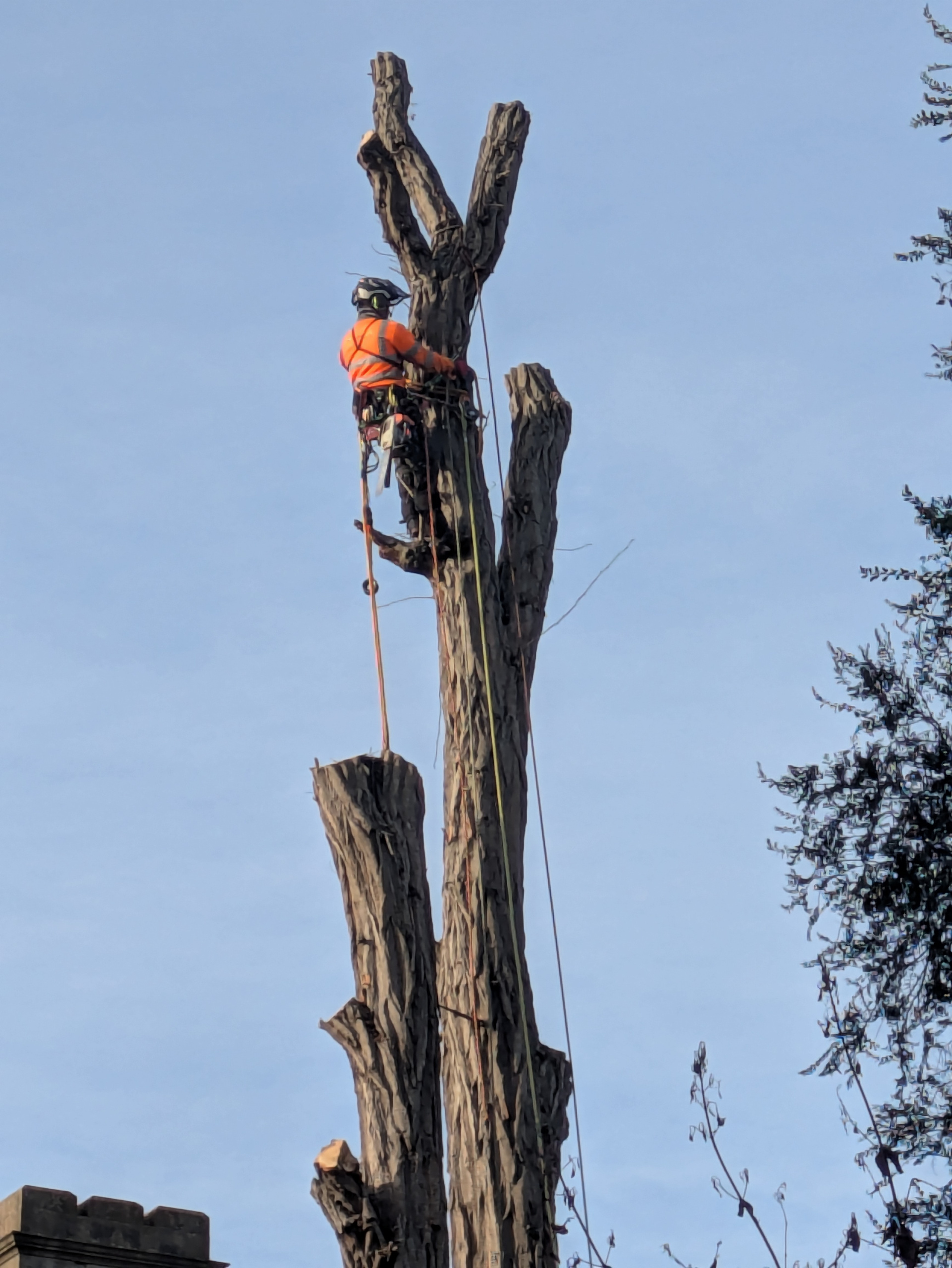
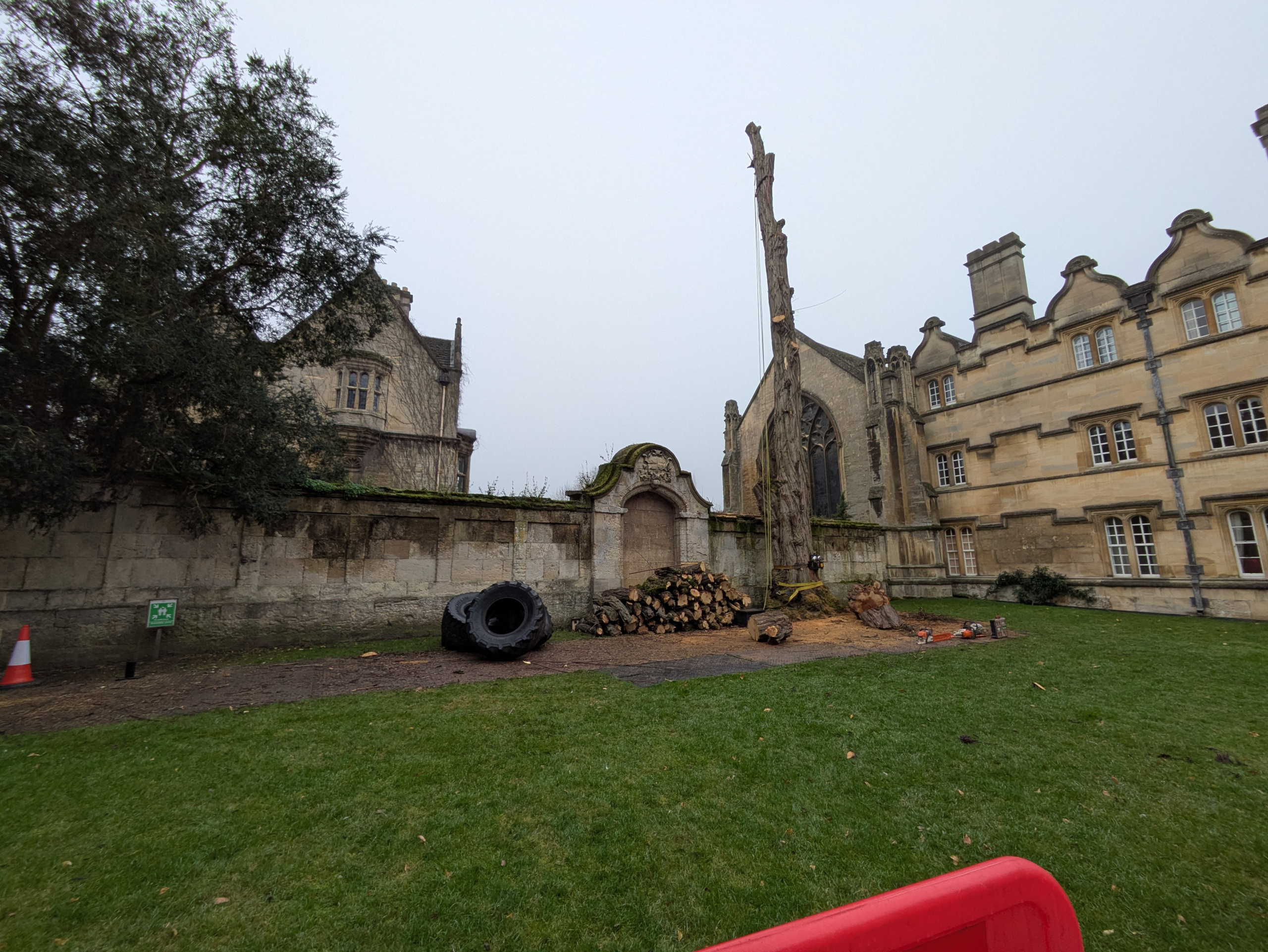
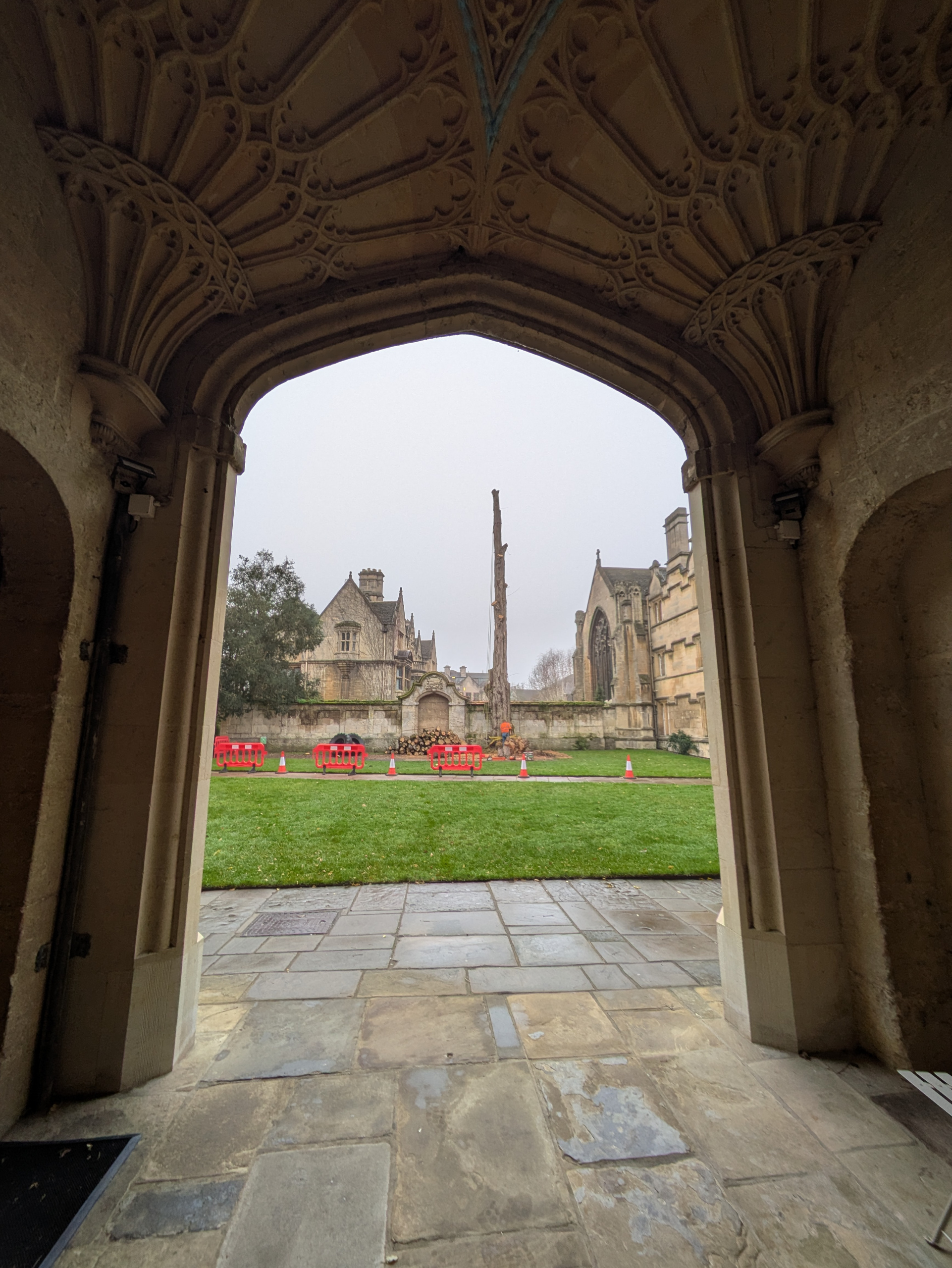
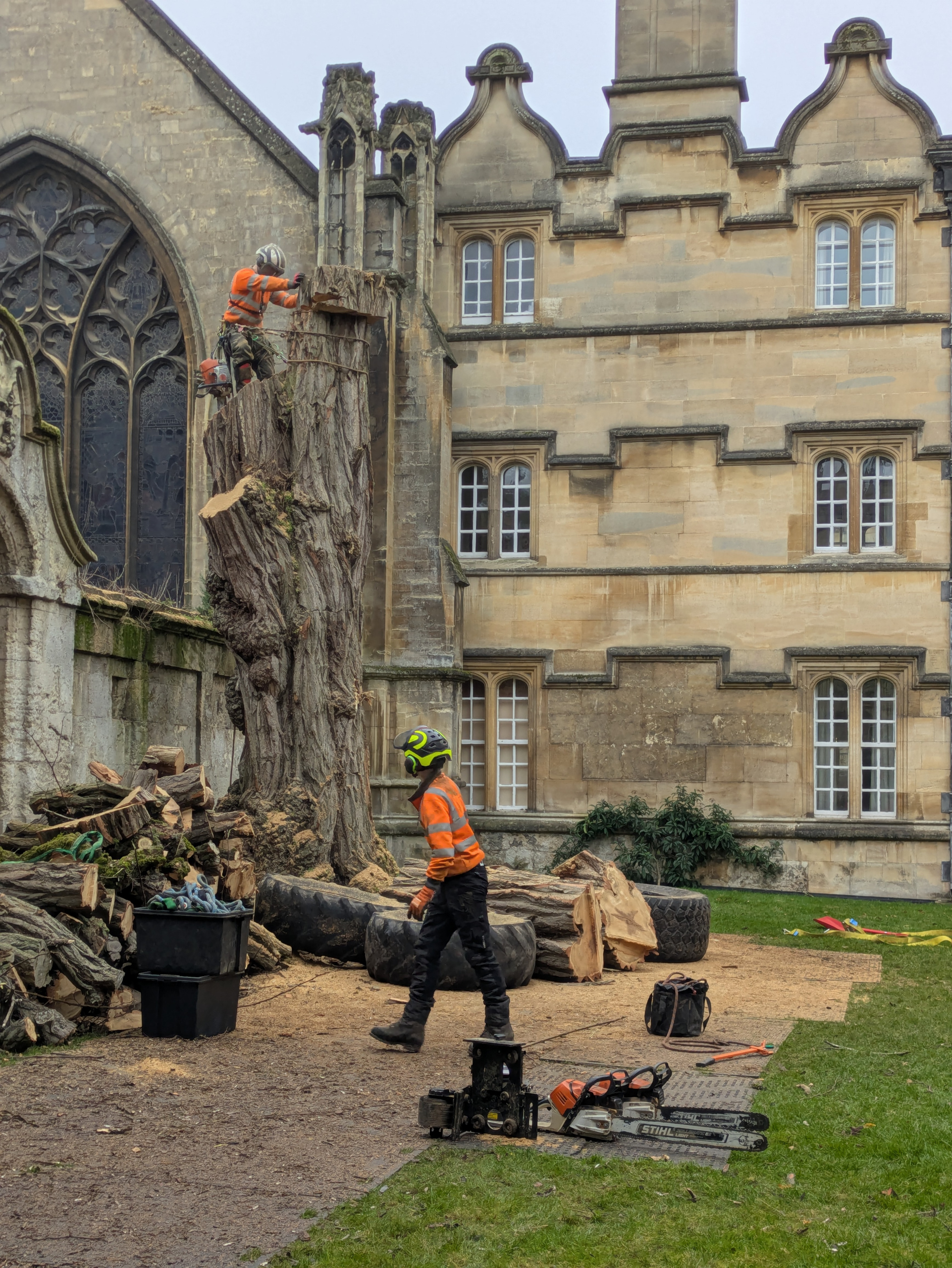
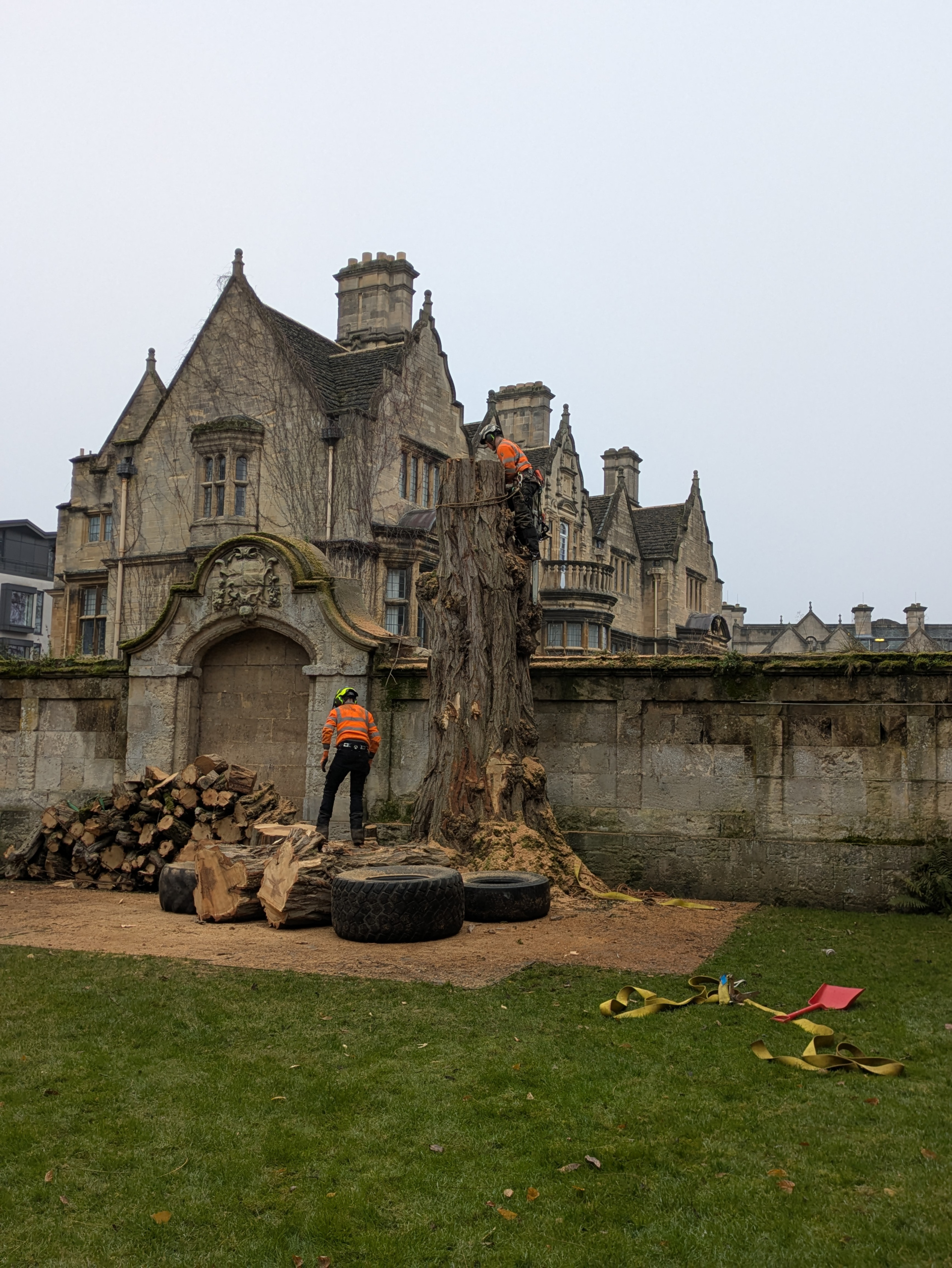
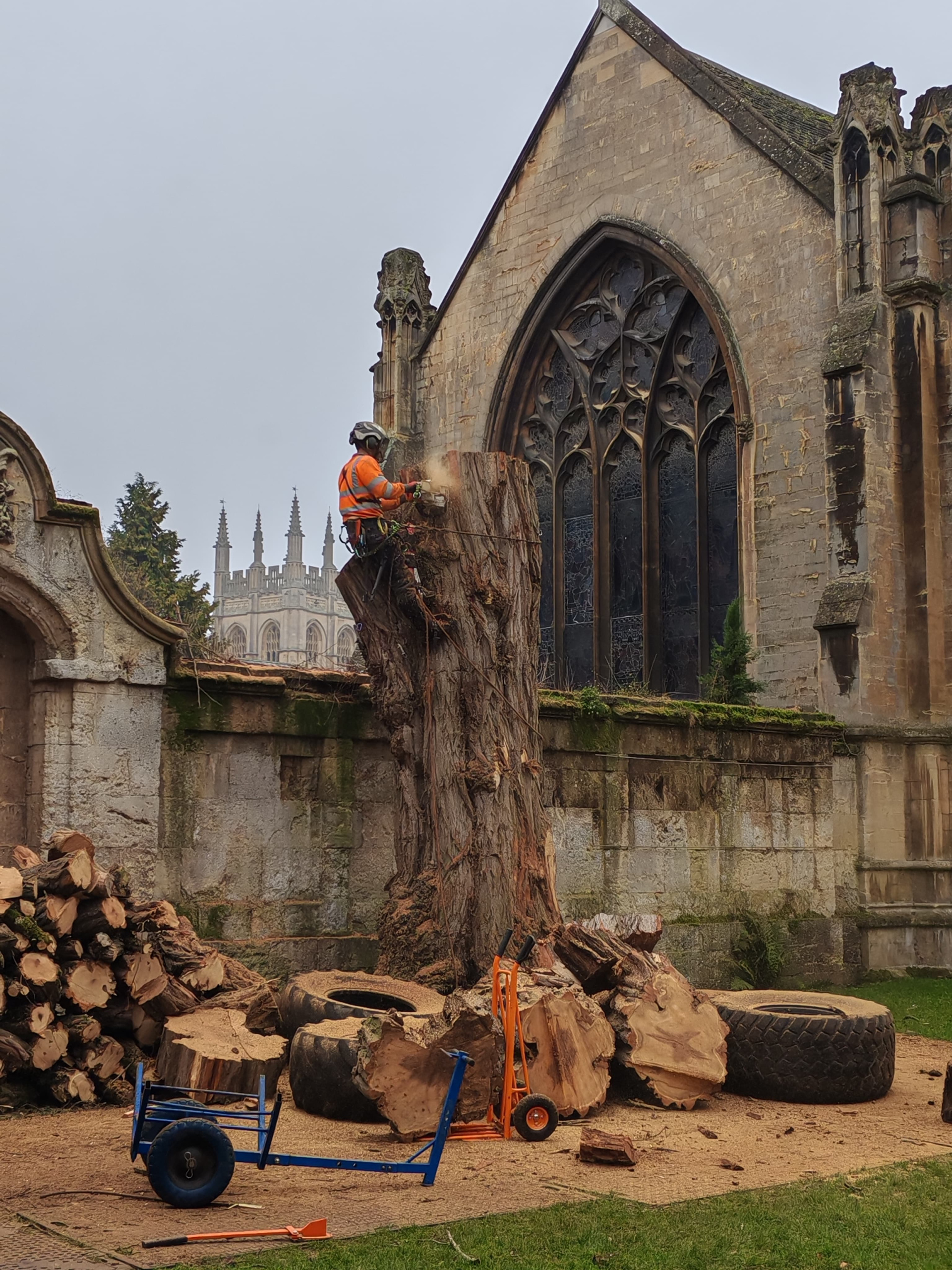
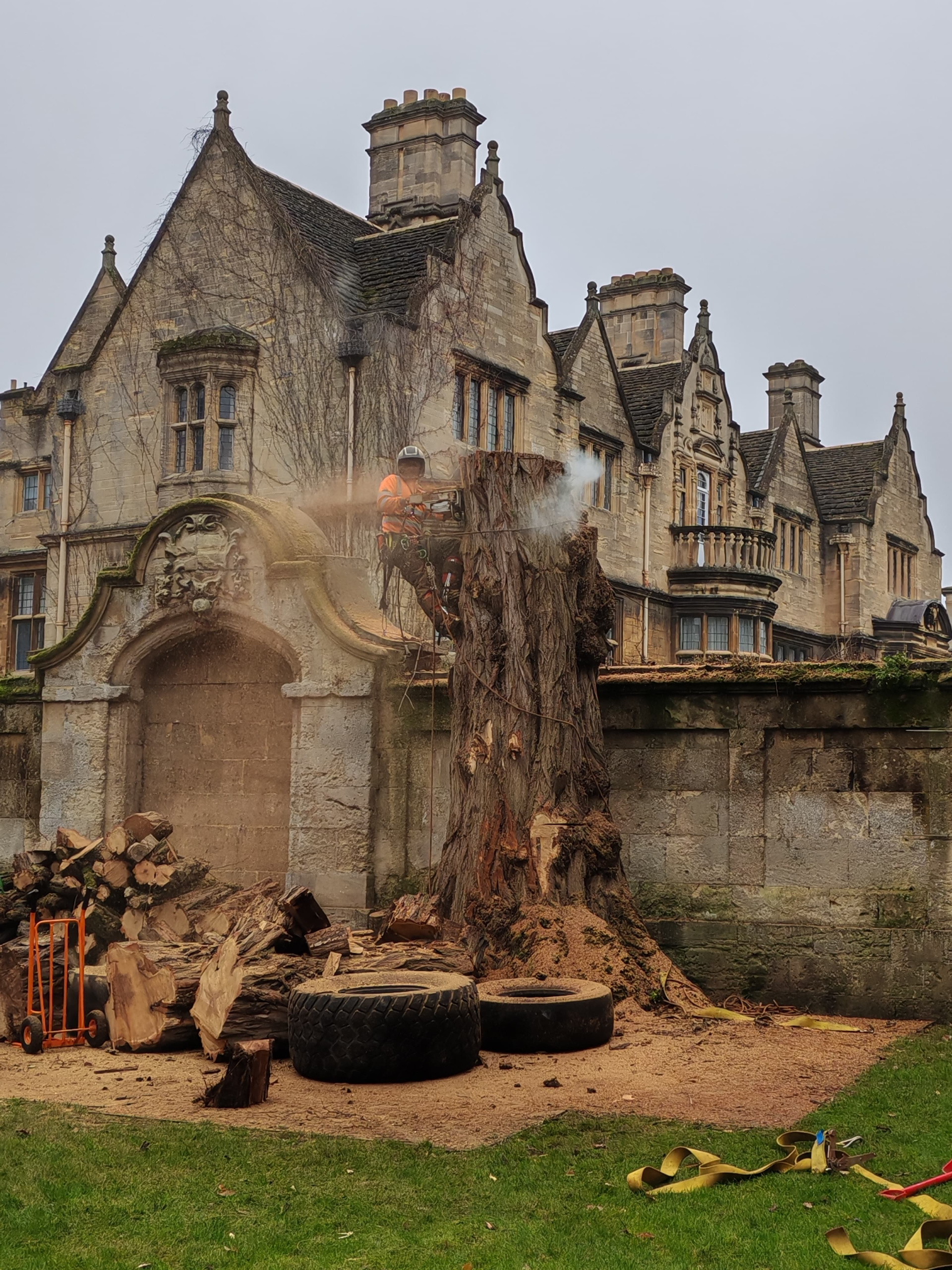
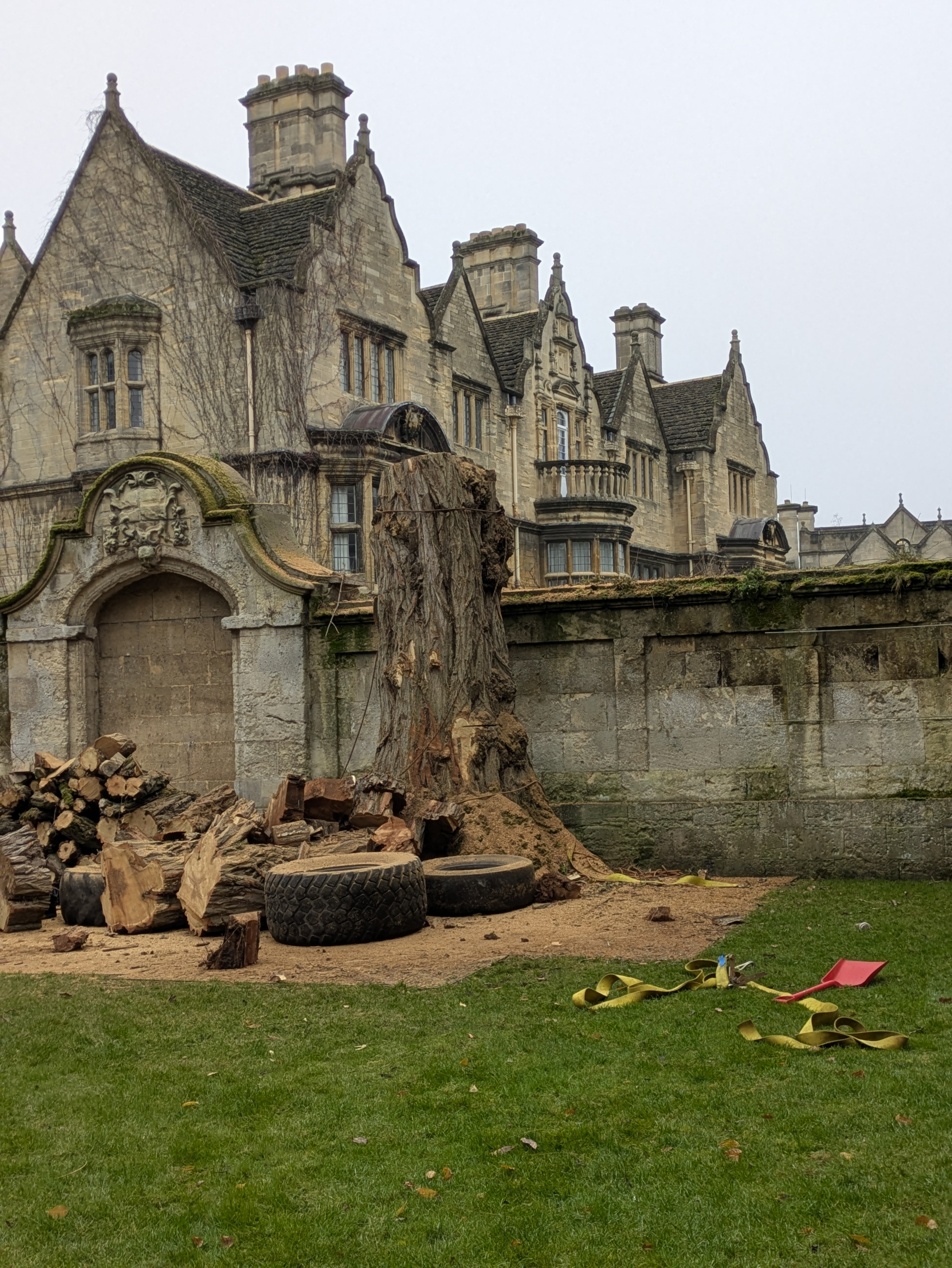
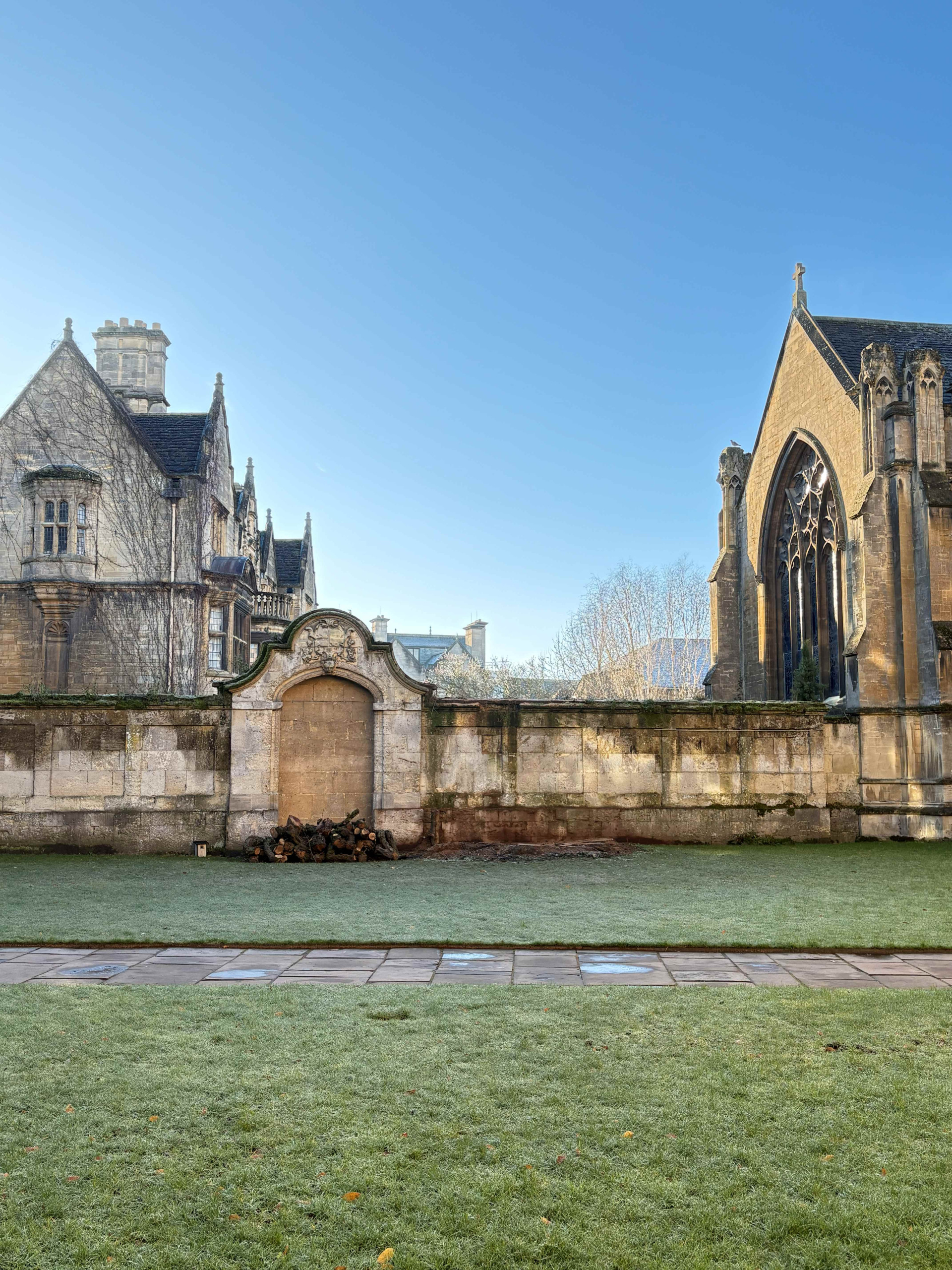
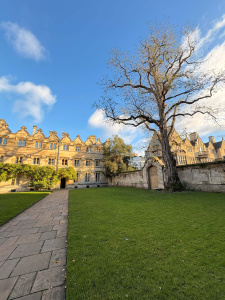 The Robinia tree (Robinia pseudoacacia) in Univ’s Radcliffe Quad was felled in January 2026.
After a number of years in slow decline, the College’s arboriculture expert found that the longstanding Robinia tree had reached its safe life expectancy. The College was advised to remove the tree and sought the expertise of local tree care professionals, ArbUK.
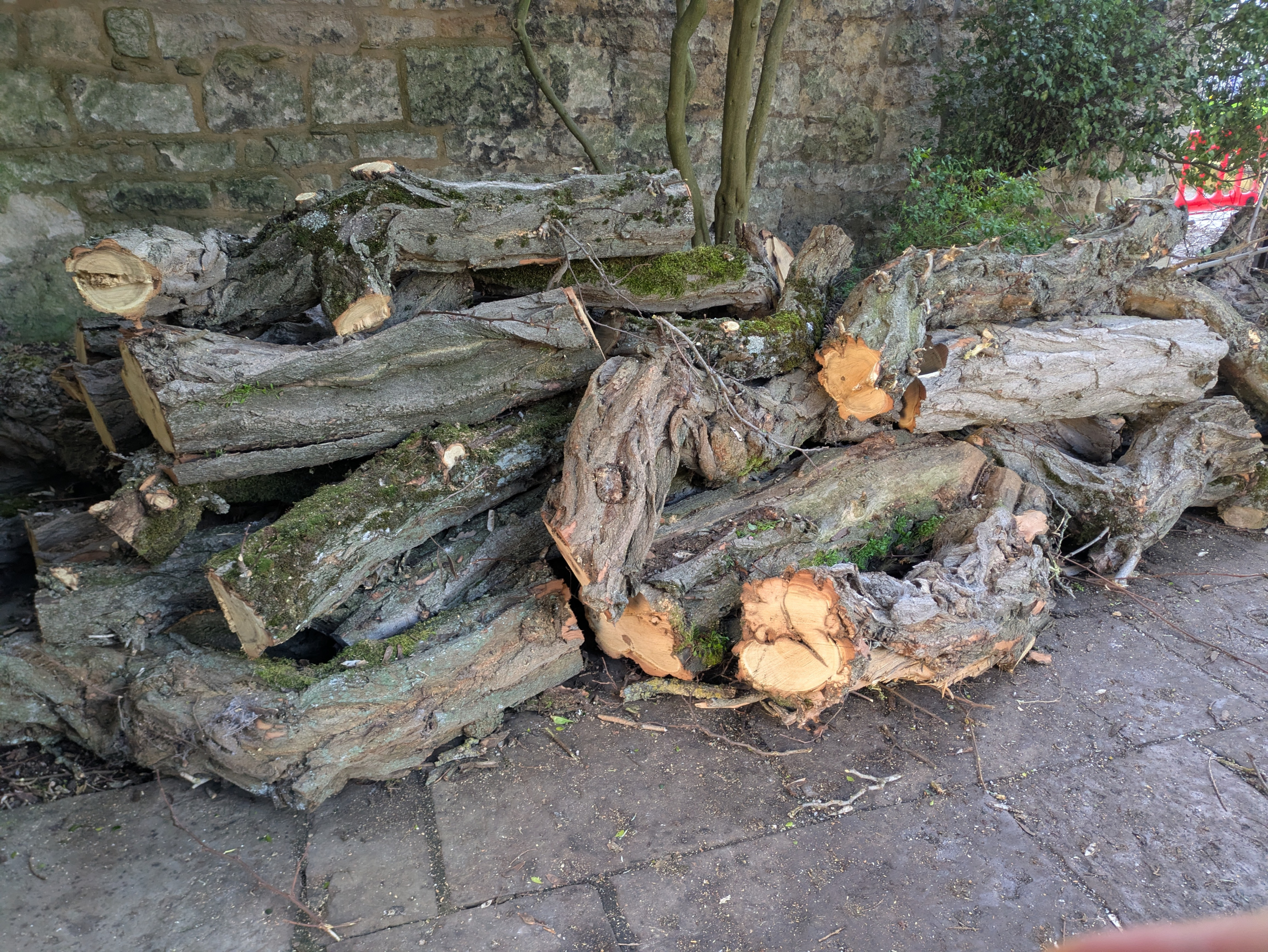
Over the course of three days, a team or arborists prepared the area around the tree and removed each section in a safe and controlled manner. The wood from the tree has been retained and will be seasoned for around 12 months before it is returned to the College for use in various items.
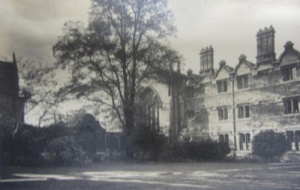
A photo of Radcliffe Quad from the 1930s
Robinia trees in similar locations are reported to have an average life expectancy of around 80 years, and it is thought that the tree that stood in Univ’s Radcliffe Quad was planted around 125 years ago. After considering a number of parameters including resilience to climate change, life span, wildlife benefits, root depth and overall size, Univ’s Head Gardener Tom Bartlett has selected a European hop hornbeam (Ostrya carpinifolia) to replace the Robinia tree in Radcliffe Quad.
The European hop hornbeam is a slow-growing tree with a short grey-brown trunk that is well-suited to a sheltered site. When young, it features olive-green twigs and a funnel-shaped crown. As the main trunk splits and branches grow more widely, the crown will become more rounded. The oval leaves are double-serrated and turn yellow autumn, and the tree produces both catkins and flowers which, once fertilised, become a hop-like fruit.
Published: 3 February 2026
Explore Univ on social media