Surgical Elective at the CSC in Cambodia
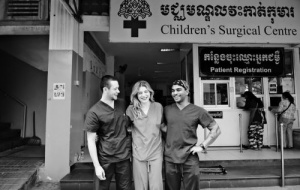 Radciffe Travelling Fellowship Medical Elective report – Dr Kate Murnane (2018, Medical Sciences)
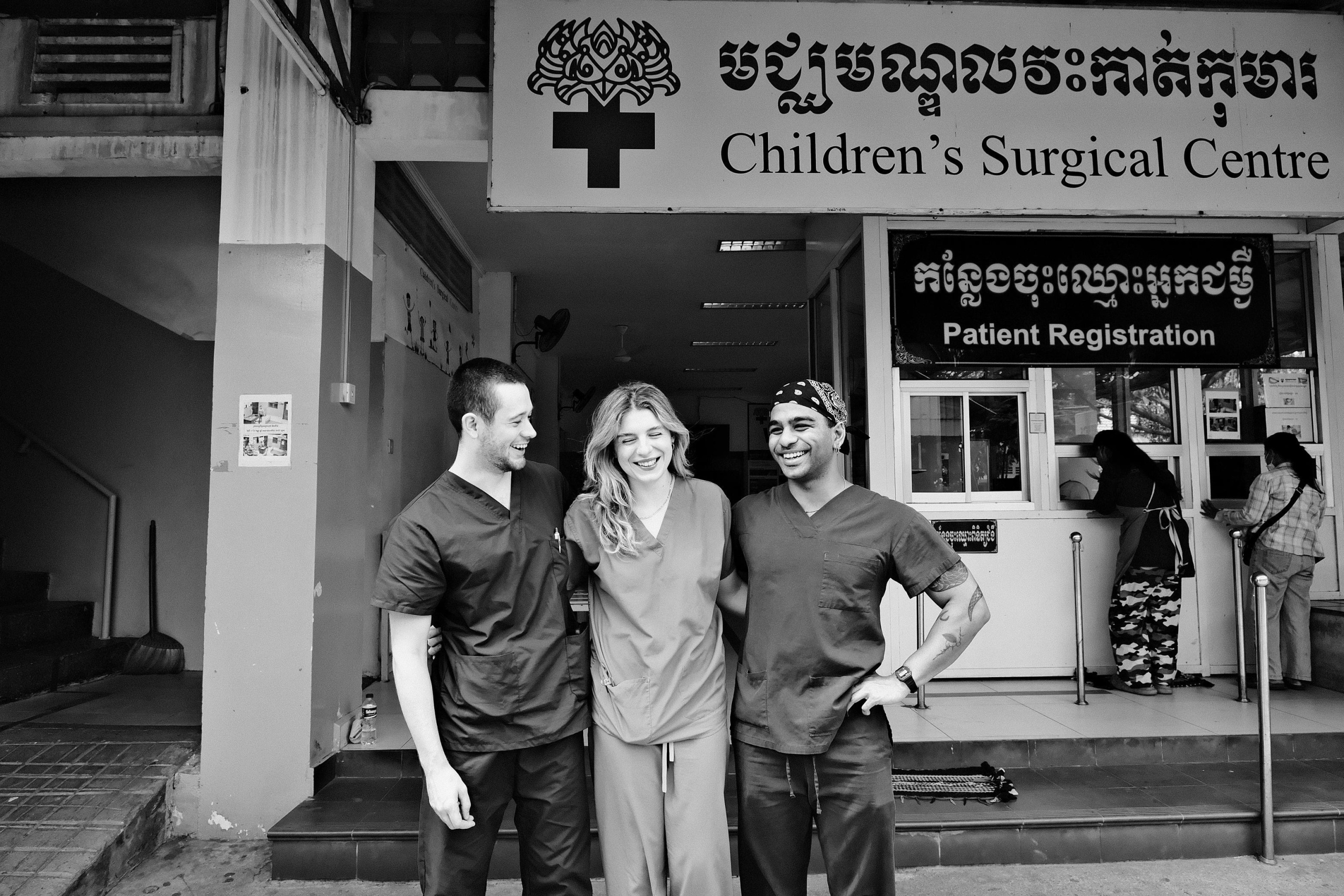
Through the generous support of University College’s medical elective fund and the British Hip Society, I was fortunate to undertake an eight-week surgical elective at the Children’s Surgical Centre (CSC) in Phnom Penh, Cambodia, during my final year of my graduate-entry medical degree. This was a transformative experience that re-affirmed my aspiration to pursue humanitarian surgery work in future, ideally through a mission focused on sustainable capacity building and community-centered care such as the CSC.
History of the CSC
The CSC was established in 1998 by orthopaedic surgeon Mr Jim Golloghy to care for patients living with disabilities caused by landmines and war-related injuries. Today, it delivers free or affordable surgical treatment to economically disadvantaged Cambodians, helping overcome barriers to accessing essential healthcare for people who may otherwise be unable to receive treatment. Currently the CSC is based in Chroy Changvar on the Phnom Penh peninsula to where patients journey from across Cambodia and neighbouring countries due to the CSC’s international reputation for providing outstanding reconstructive and function-restoring surgery. The CSC provides a range of specialist services, including reconstructive surgery, ENT surgery, and ophthalmology. To support teaching and best practice, surgical teams from around the world regularly visit the CSC to train local surgeons and introduce advanced techniques, helping to build sustainable surgical capacity for disability treatment throughout Cambodia.
Clinical exposure and surgical assistantship
My placement involved exposure to a broad range of both adult and paediatric surgical presentations across various settings including clinic appointments, ward rounds, theatre lists and peri-operative care.
In clinics I examined patients presenting with a range of defects including developmental and traumatic orthopaedic injuries, burns, contractures and cleft lip/palate. Whilst I was able to lead some of the consultations in a combination of English and basic French (the second language of Cambodia), several of the locals spoke exclusively Khmer and the team were incredibly supportive in translating my questions and facilitating discussions with patients and their families. When compared to UK pre-op consultations, I was struck by the informal nature of the patient-doctor relationship in Cambodia. Whilst there were examples where medicine was practiced in a more paternalistic way such as doctors instructing patients on the management plan as opposed to patient-led discussions, which we encourage in the UK, there was a refreshing warmth and closeness between patient and doctors and a flatter hierarchy between team members throughout different stages of training.
At work, all the doctors, nurses, allied health professionals and administrative staff took me under their wing and went above and beyond to ensure I had a varied, interesting and hands-on experience. The less rigid hierarchy between clinical staff of different seniorities meant that I was able to gain insights from trainees at the very start of their training who benefit from exposure to a huge case load, to the nation’s leading surgeons who were predominantly leading complex or niche cases. Doctors in Cambodia receive remarkably low wages even when weighted against the national cost of living which forces them to work six or seven days a week often across several hospitals. Despite this pressure, there was a genuine generosity and enthusiasm amongst the doctors for the patients, each other and for visiting medical students which made for a refreshing and friendly work culture.
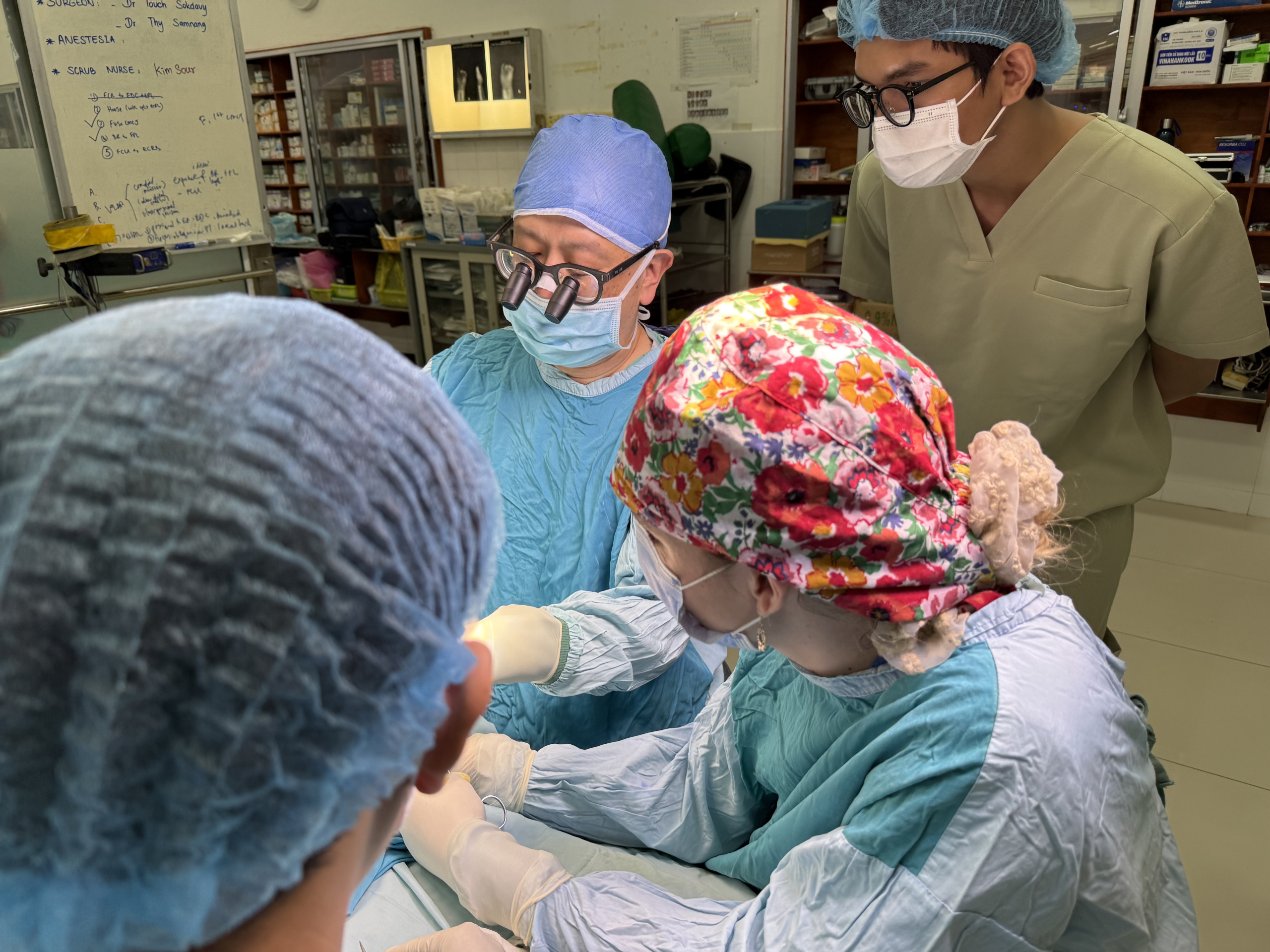
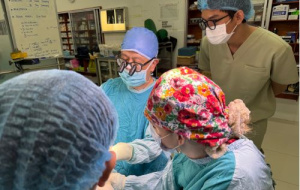 Each day I was lucky enough to scrub in and assist in theatre on cases spanning orthopaedics, plastics and ENT. As a member of and scholarship beneficiary of the British Hip Society, I took a keen interest in the hip theatre lists, particularly in revisions and in patients with complex medical comorbidities such as osteomyelitis and TB hip cases. There were several notable differences between Cambodia and the UK in terms of theatre lists. Namely, patients were on average much younger than those seen in the UK with a greater representation of traumatic injuries such as road traffic accidents or those incurred through manual labour. Moreover, due to high costs and a preference for traditional medicine, patients often presented later when an injury had progressed more destructively and the pressure point leading to first presentation was most commonly when livelihood was threatened. After traumatic injuries, poorly controlled diabetes was another common morbidity that led to patients needing surgery, often through toe, foot and below knee amputations. This was particularly striking as in the UK type 2 diabetes is quickly identified and well managed through graduated medical therapy with a range of anti-diabetic medications. The relatively high costs of both primary care services and prescriptions combined with a lack of understanding about the long-term implications of uncontrolled type 1 and 2 diabetes, deterred patients from proactively seeking out help for their high blood sugars. Invariably this would lead to peripheral neuropathy, ulceration, serious traumatic injuries and tissue necrosis almost always requiring amputation.
A particularly interesting case I assisted with was an osteomyelitis of the calcaneus in a middle-aged patient who was a carrier of Tuberculosis and whose injury was not responding to long-term anti-TB drug therapy. Functionally, the patient was unable to bear weight on the infected foot which left them bed-bound, having previously been very active. This disabling injury had severely reduced the patient’s income, putting pressure on other members of the family to work in order to meet basic needs. This patient was determined to have an amputation primarily because it was less expensive than continuing with medical therapy and they felt this would definitively remove the source of their pain and allow them to build back up their mobility and earning potential using a prosthesis. The team were concerned about performing an irreversible amputation in an otherwise well working-age adult if the infection could be more effectively targeted and the patient subsequently rehabilitated with physiotherapy.
I found it striking that amputations were more tolerable to many Cambodian patients than long term medical treatment based on cost and convenience, and that amputations seemed to have less attached stigma when compared to UK. As this patient lived rurally in the countryside and was not improving with anti-TB medications, we began to consider melioidosis as a differential diagnosis for their infected calcaneus. Melioidosis is a chronic infection with Burkholderia pseudomallei, a bacterial that lives in soil and can be transmitted to humans via skin abrasions. Unfortunately, melioidosis is a difficult diagnosis to make as it presents similarly to tuberculosis, a confounder that is exacerbated by the fact that both are endemic in the same geographical regions. This is especially challenging to identify in individuals who are already carry existing TB infection – such as this patient.
To thoroughly explore the case before resorting to amputation, I helped facilitate multi-disciplinary discussions between surgical staff at the CSC and Infectious Disease consultants at the Cambodia-Oxford Medical Research Unit (COMRU) in Siem Reap and Calmette hospital (Phnom Penh). This was a very valuable learning opportunity as orthopaedic surgeons’ remit is stereotypically restricted to surgical intervention and so it was insightful to attend these discussions on a case where surgery was not deemed to be the most appropriate primary course of action.
Research
Clinical research in Cambodia is very limited due to there being little financial or professional incentive to undertake research alongside already intense clinical responsibilities and an absolute scarcity of funding. Trainees explained that research, audits and quality improvement projects were not taught or encouraged at university or during specialty training programmes. Instead, the prevailing attitude amongst medics in Cambodia is to qualify as quickly as possible, obtain a permanent role at a good national/ public hospital for job security and locum at a private clinic during evenings and weekends to supplement their income.
Despite this, whilst at the CSC I worked closely with a Trauma and Orthopaedic (T&O) consultant who was interested in using Tilapia fish skin for the purposes of wound healing for both post-operative and traumatic injuries. This project would be the first of its kind in Cambodia and would be extremely implementable here given the high demand for cheap, easily accessible and sustainable wound care.
Over my eight-week elective I helped get this project off of the ground. Specifically, I supported the design of and preparations to launch a Randomised Control Trial comparing Tilapia fish skin dressings versus the expensive existing synthetic standard dressing in Cambodian patients suffering wound injuries. I was involved in conceptualisation and study design, writing protocols, recruitment of hospitals and writing applications for ethics approval and funding. Despite lots of enthusiasm and interest amongst the Khmer doctors, there was understandable apprehension and fear about taking this research project beyond a pie-in-the-sky idea to something tangible. With my doctoral background I was able to reinforce the potential translational impact of this work and the feasibility of the study design during discussions with the team. I hope to stay connected with this project and I am excited to see how it might benefit patients in Cambodia.
Wider development
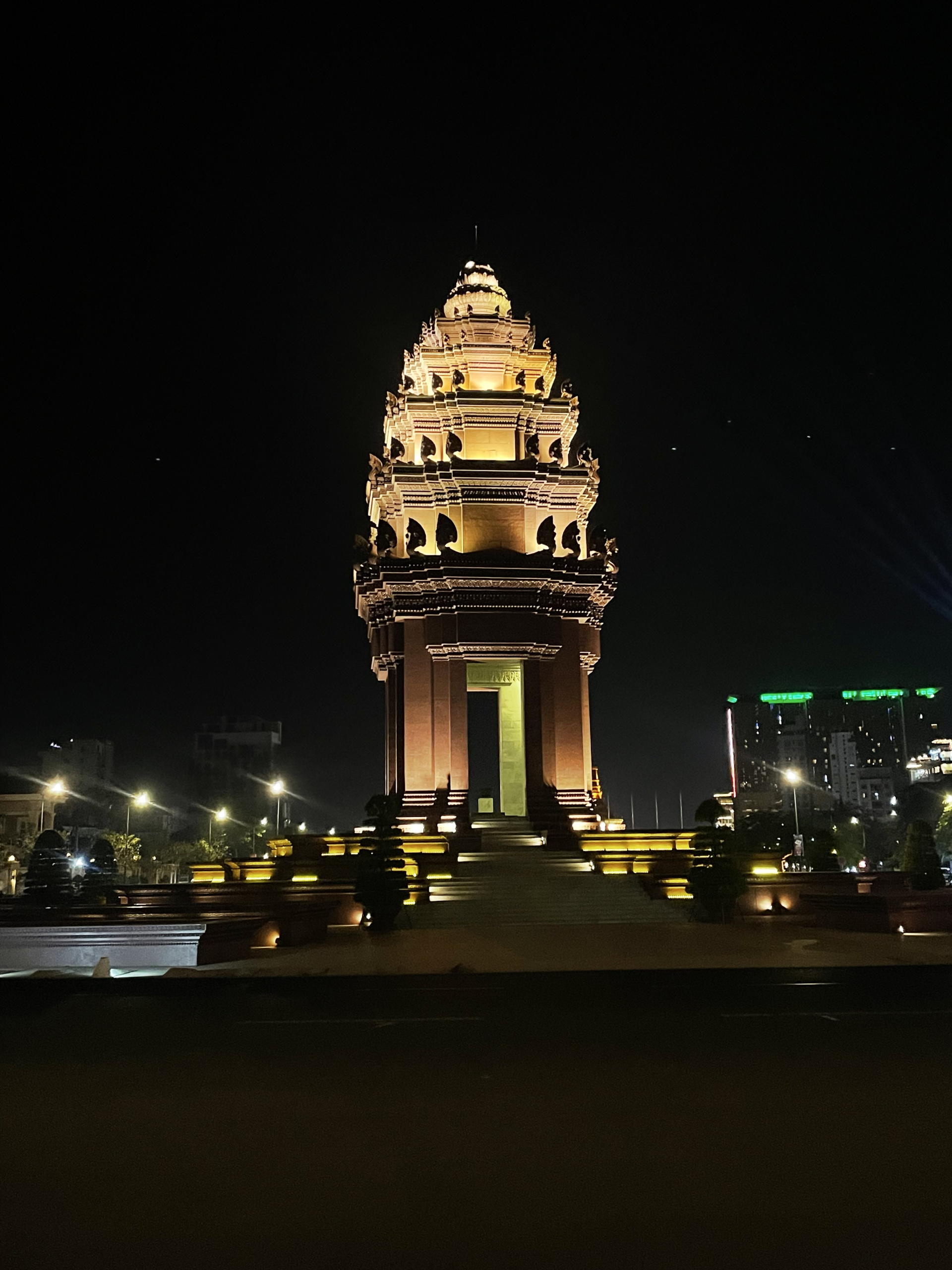
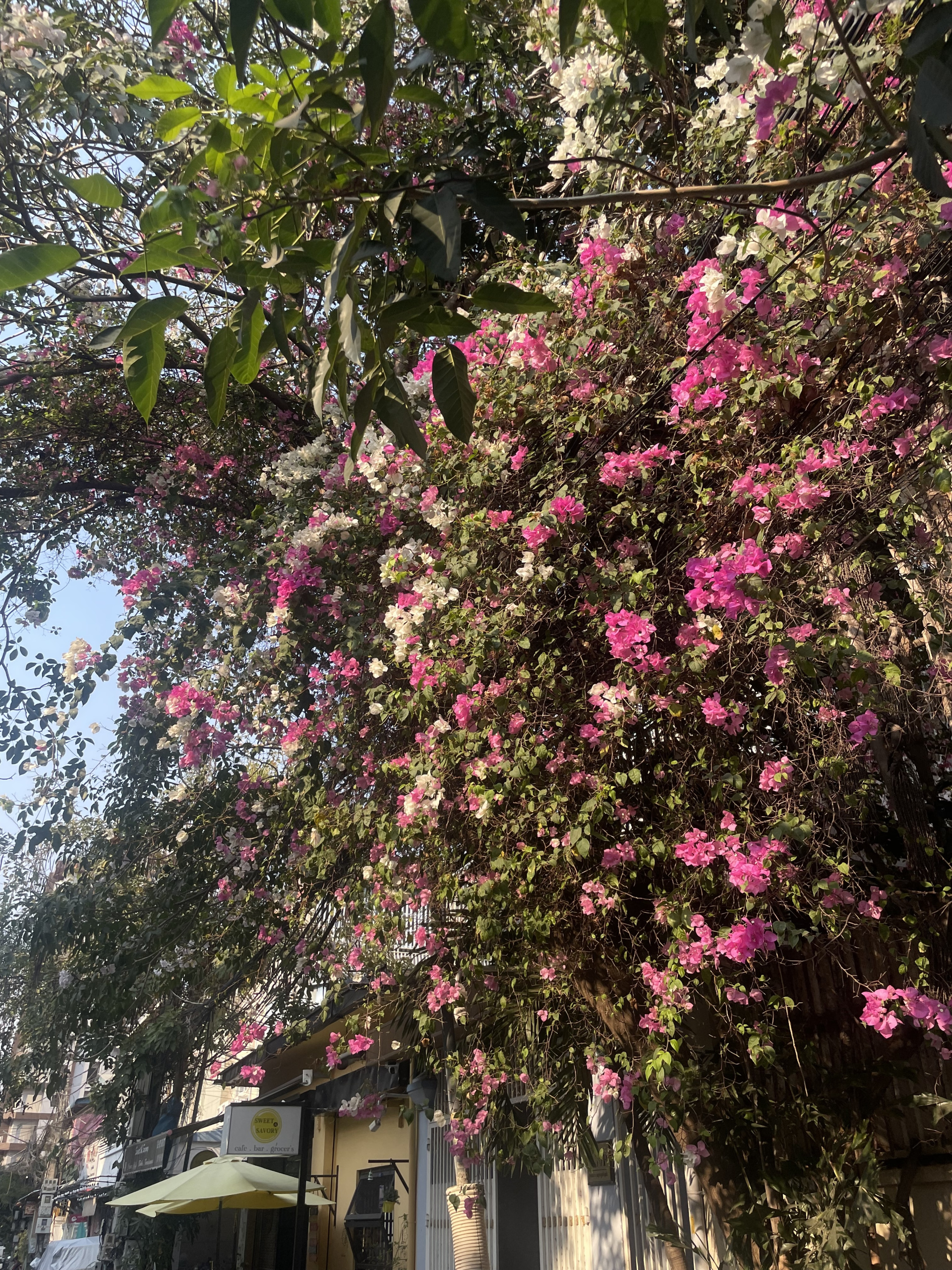
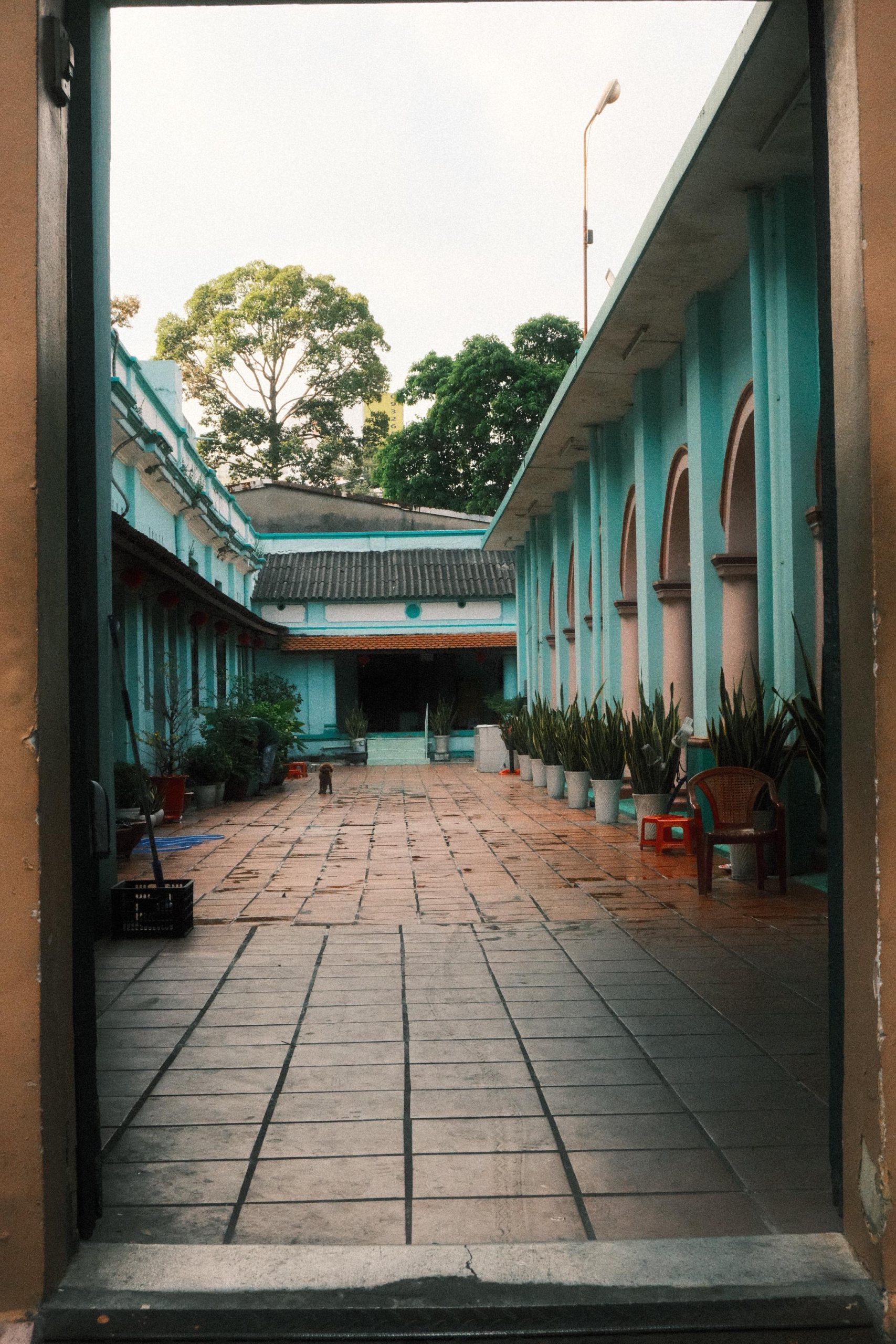
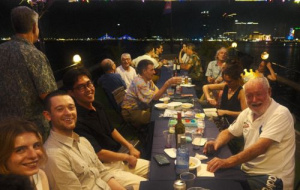 Whilst the surgical assistantship training I gained on my placement was extremely valuable, the highlight of my time in Phnom Penh were the bonds I made with the team. I was pre-warned about the warmth of the Khmer people but I was unprepared for their unbelievable generosity and kindness and how easily I assimilated with these wonderful people in this unique and underrated city. Phnom Penh is dismissed by most visitors as too industrial, hectic and dirty. Often overlooked for the smaller and more tourist-centered Siem Reap or Kampot, I found Phnom Penh to be where I felt most at home in Cambodia. Comprising a dizzying range of architecture from high rises to gabled temple roofs and stupas and a labyrinth of French colonial streets, in the day the city can feel sluggish with congested traffic under the baking hot sun but at night it truly comes alive with coffee shops, speakeasies and red chair places open until the early hours, offering locals a place to forget about the hard work of the day. It truly feels like a living city that exists for Cambodians without the gimmicks and trappings commonly adopted by more touristic locations.
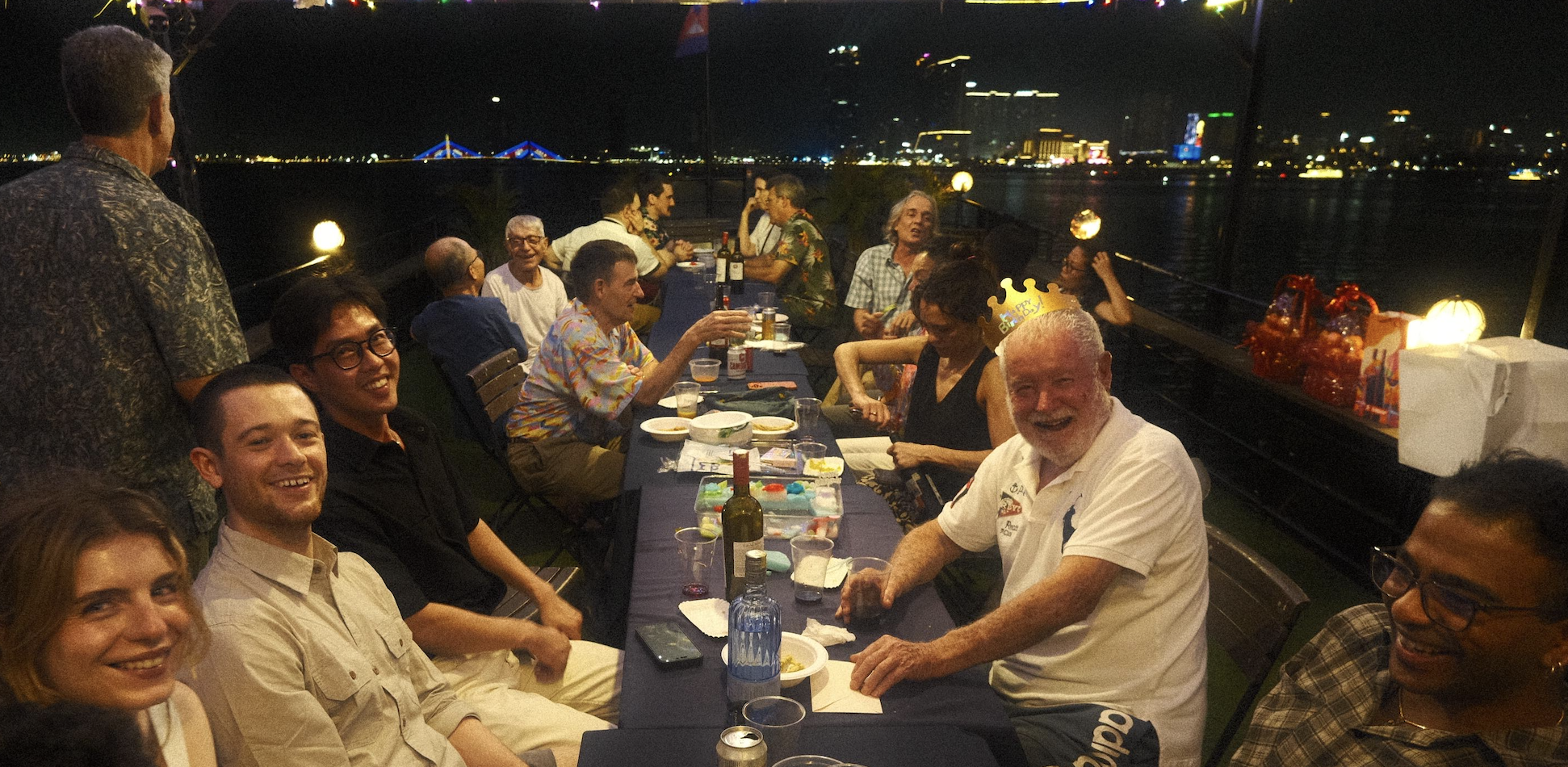
Every day at work we would sit together at the veranda and eat a delicious and nutritional lunch – usually fried fish, soups or stews and seasonal greens – cooked in a scorching hot kitchen by local women. Laying down the scalpels and retractors, the surgeons would take up a machete and dissect for us green mangos from the trees around the hospital, serving this with a chili salt rub for our dessert. Lunch ranged between half an hour to 90 minutes, unheard of in the UK, and you were guaranteed to hear a blend of hilarious anecdotes about the team combined with tales of struggle and strain and fears about the conflict with Thailand, in equal measure. The openness of the team and the way they enveloped me in their camaraderie was more than I could have hoped and made me feel immediately at home despite being thousands of miles from the UK. After lunch we’d head to the hospital’s dedicated iced coffee shack which offered a shaded spot to catch up on the morning’s theatre lists. Inevitably, several of the doctors would take a post-coffee siesta in the clinic room as they waited to see walk in patients. In the evenings the doctors would take us on their mopeds to local coffee and beer spots. I will always have a special place in my heart for the roadside red chair restaurants – cheap and popular amongst locals for their tasty noodle soups, fried meat and Cambodia beers.
Something I noticed from my first day at the CSC was how the team repeatedly referred to their surgical skills as “basic” and outdated. The awe with which they beheld western medical practices was evident even down to treating medical students as more experienced than themselves. I cannot emphasise enough how this contradicts my experience of both health systems, specifically the skills I bore witness to at the CSC and the training culture in the UK vs Cambodia. Whilst the UK excels on many fronts such as non-paternalistic practices, preventative intervention, primary care integration, patient confidentiality and data protection and research-led modern surgical techniques; the capacity of the team at the CSC given the resources they have is astounding. From an early stage, trainees are encouraged and expected to take on leading roles in surgeries, building muscle memory and confidence almost immediately out of medical school. Conversations surrounding prioritising patients and resource allocation can be challenging and uncomfortable, but the workload the team is able to manage and the remarkably low level of post-op complications is a testament to their commitment to excellence despite the constraints of the system they work in. Through their proximity and warm relationships with patients, doctors can quickly understand the holistic impact of these life-altering injuries and so make for keen patient advocates and despite being exhausted themselves, consistently going the extra mile to deliver the best possible care at low or no cost to give patients their agency and livelihoods back.
I owe special thanks to University College and the British Hip Society for their generous support of this project. Special thanks to the Dr Jim (CEO of the CSC), Lim Thou, Wee-Leon Lam, Prof Ngiep, Sanpor Oeng, Tho Ly, Makura and all of the amazing residents who welcomed me into their team and their homes. I feel indescribably lucky to have gotten to experience this time of learning, exploring and making mistakes, in such a supportive environment and to make amazing friends along the way in Joseph Beeney and Chris Seby (medical students from Cardiff and Australia). I hope it won’t be too long before I return to the CSC for more iced lattes between cases.
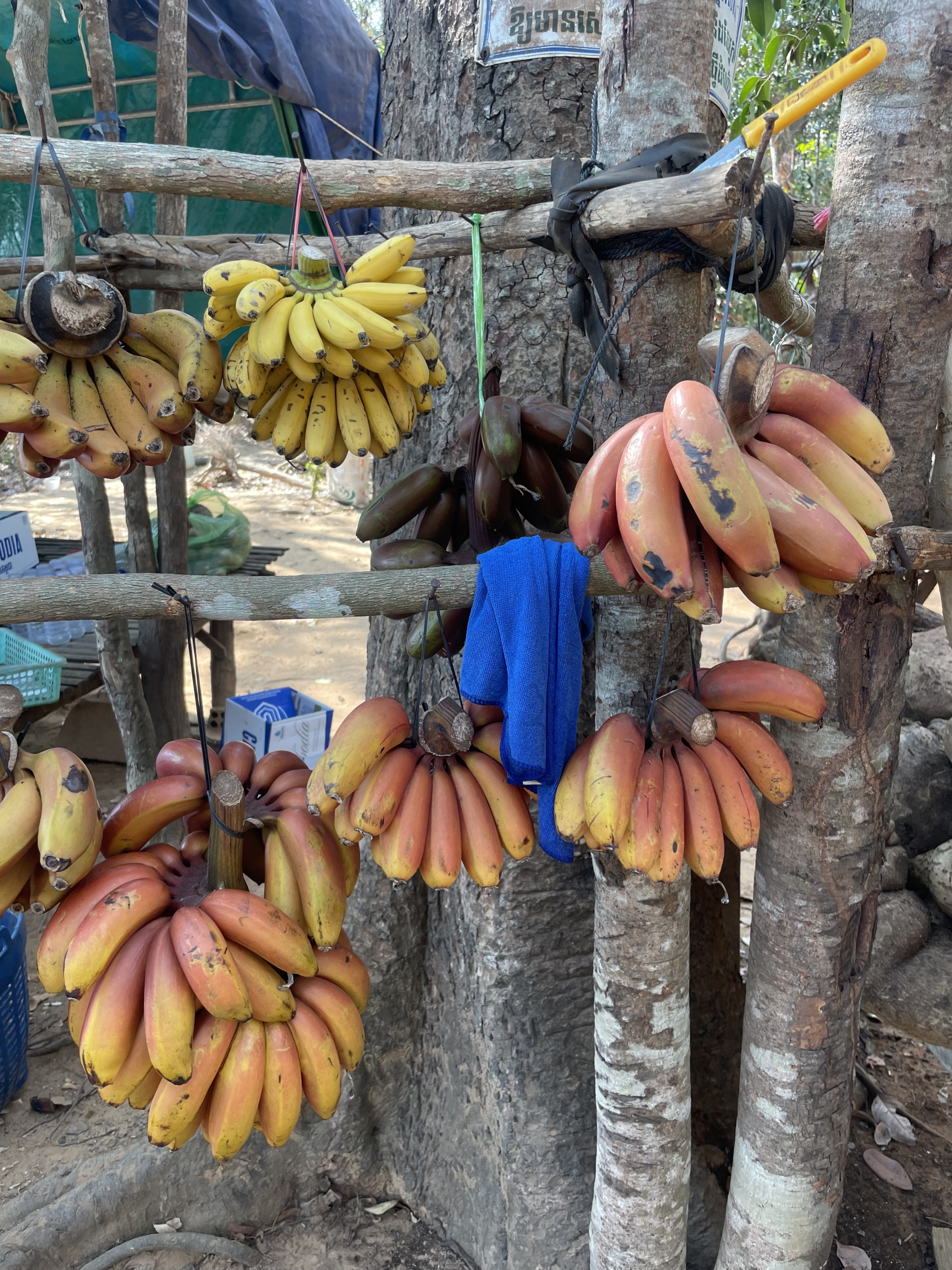
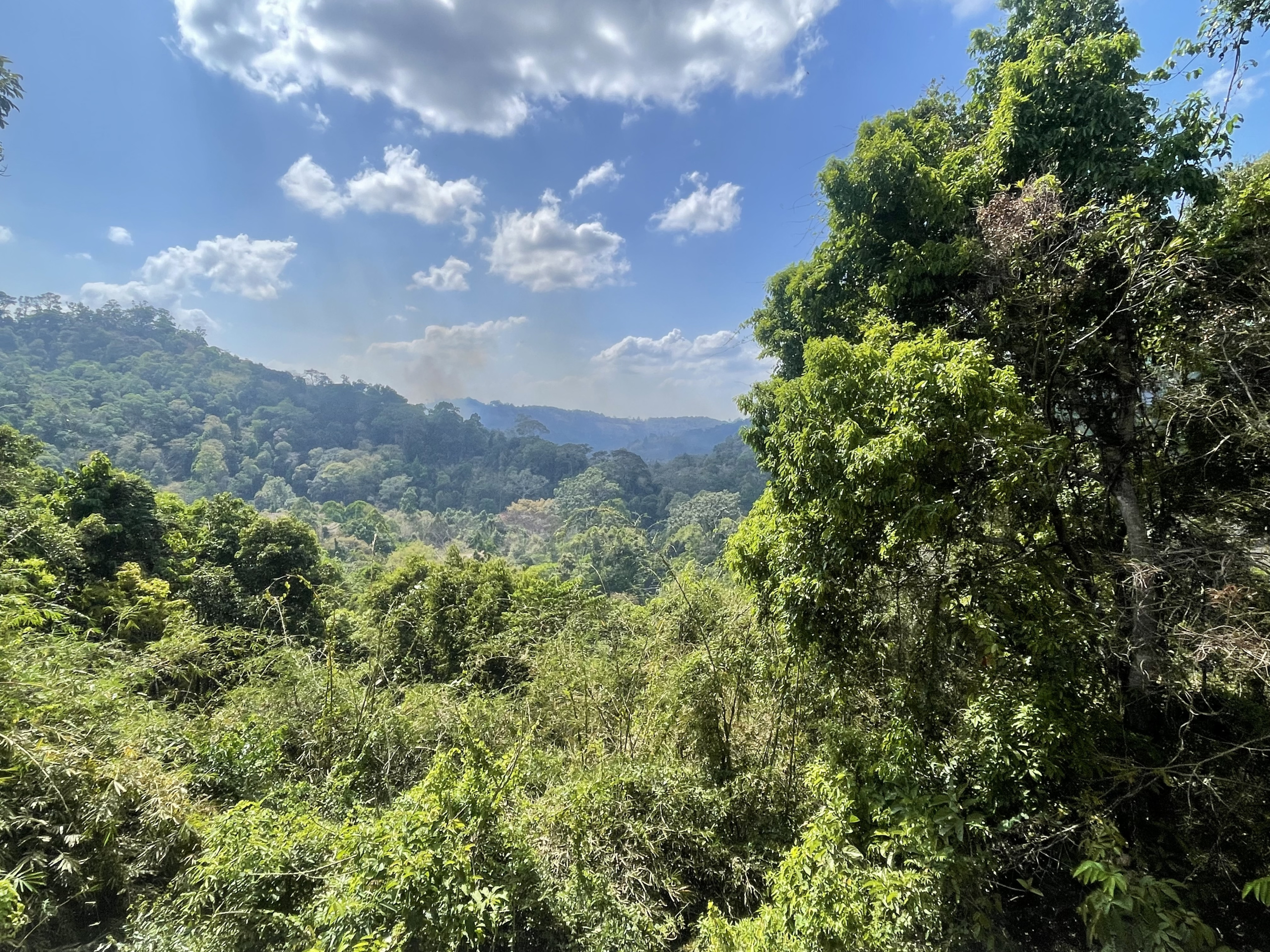
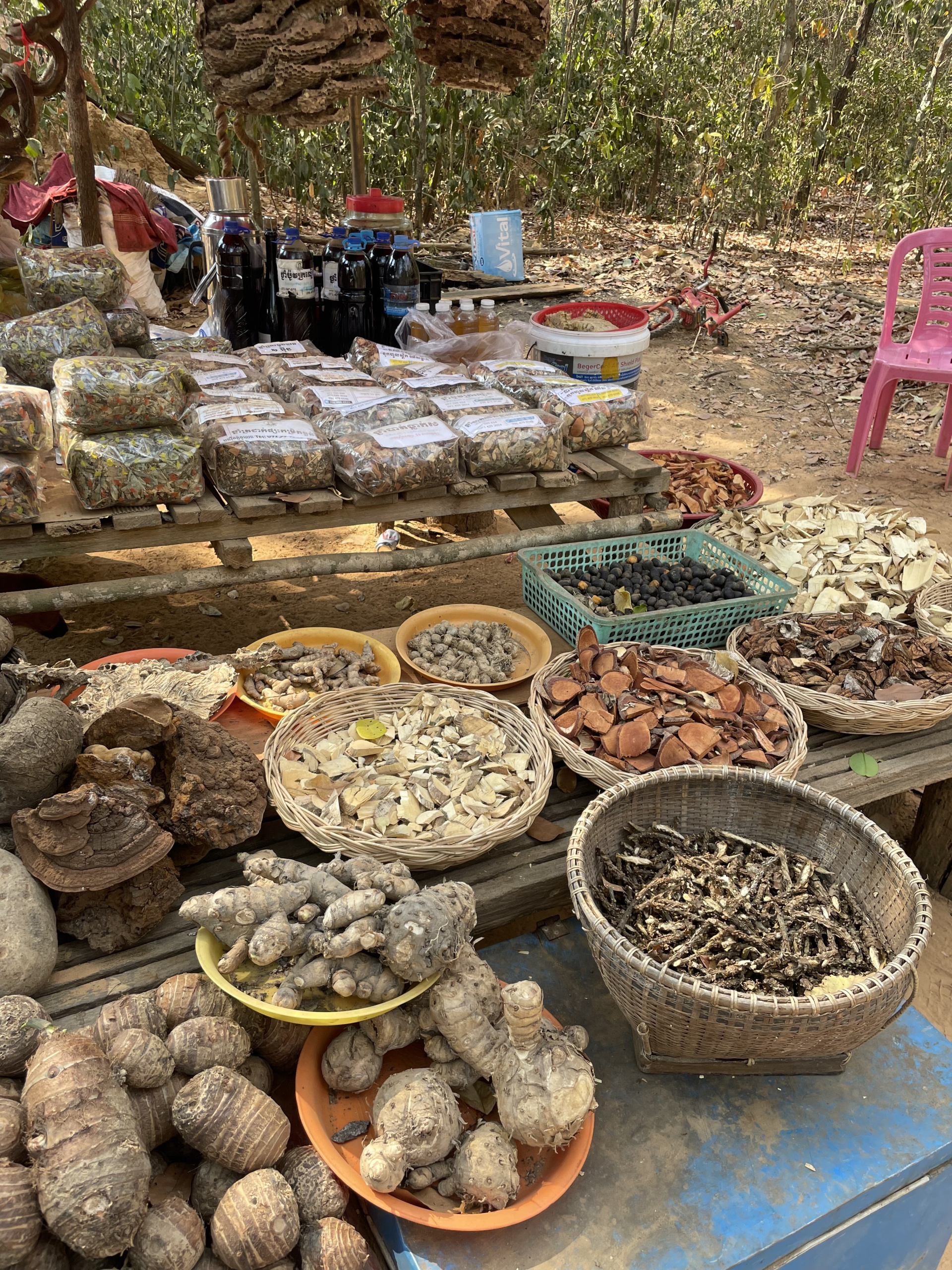
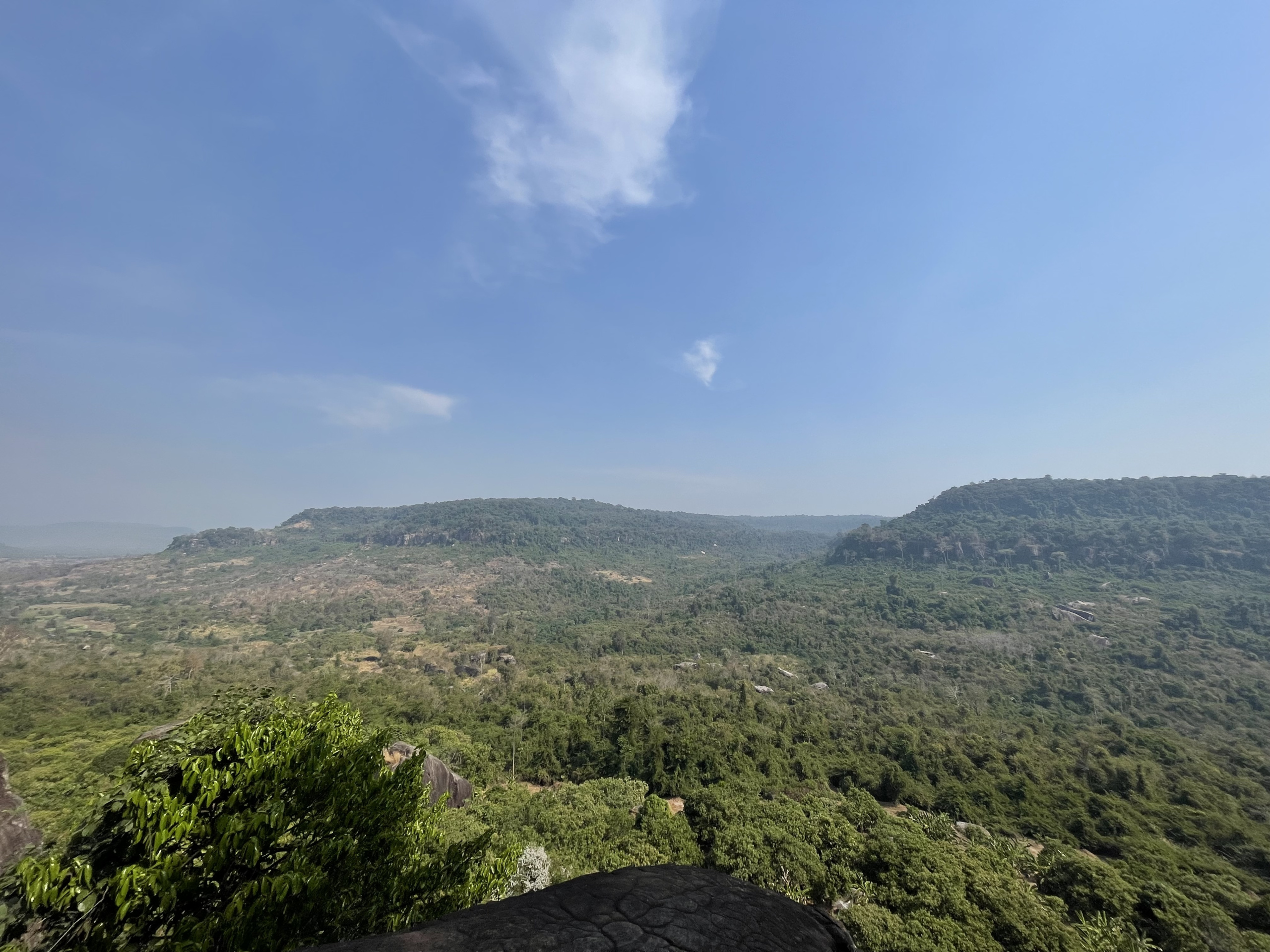
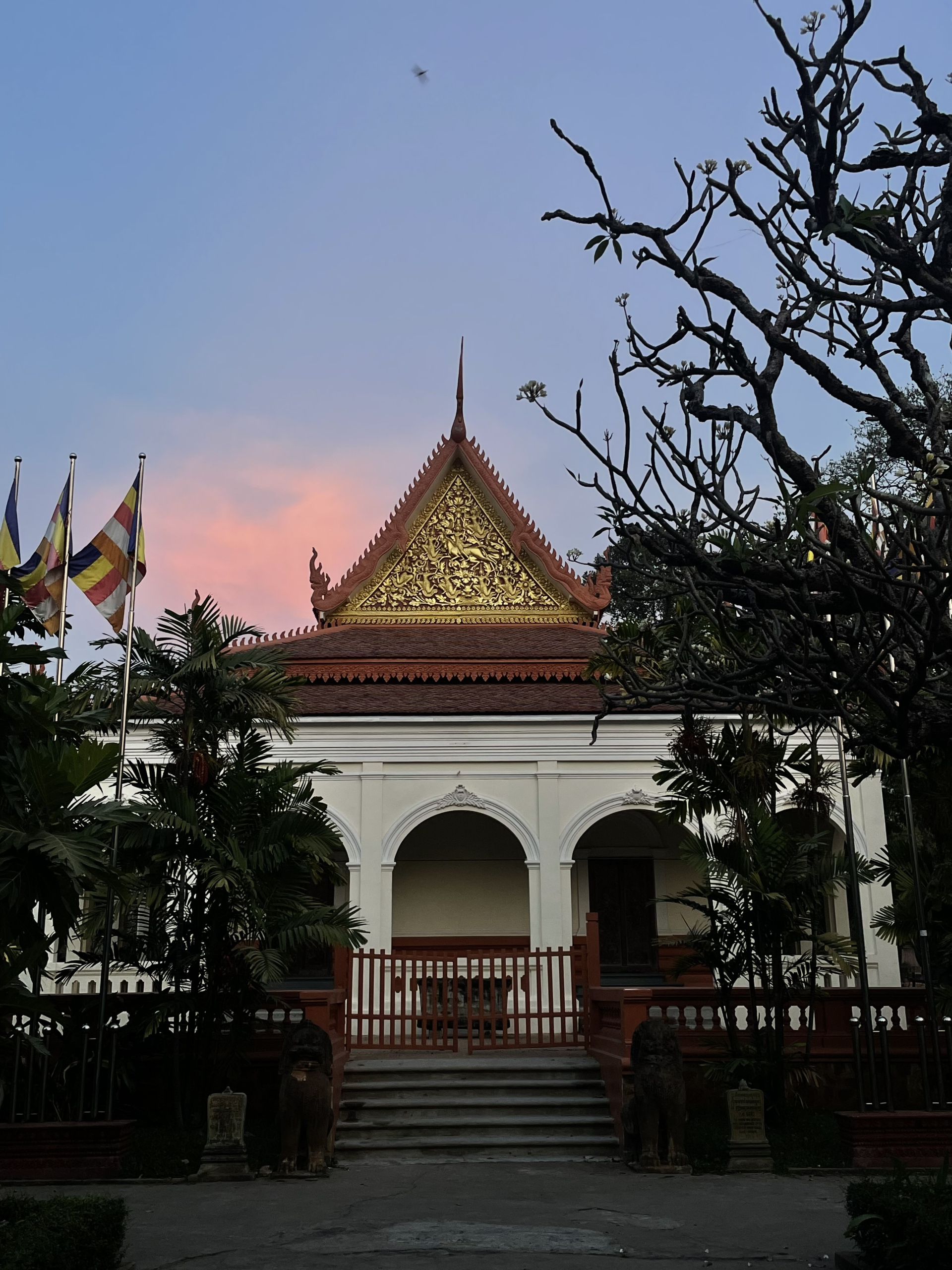
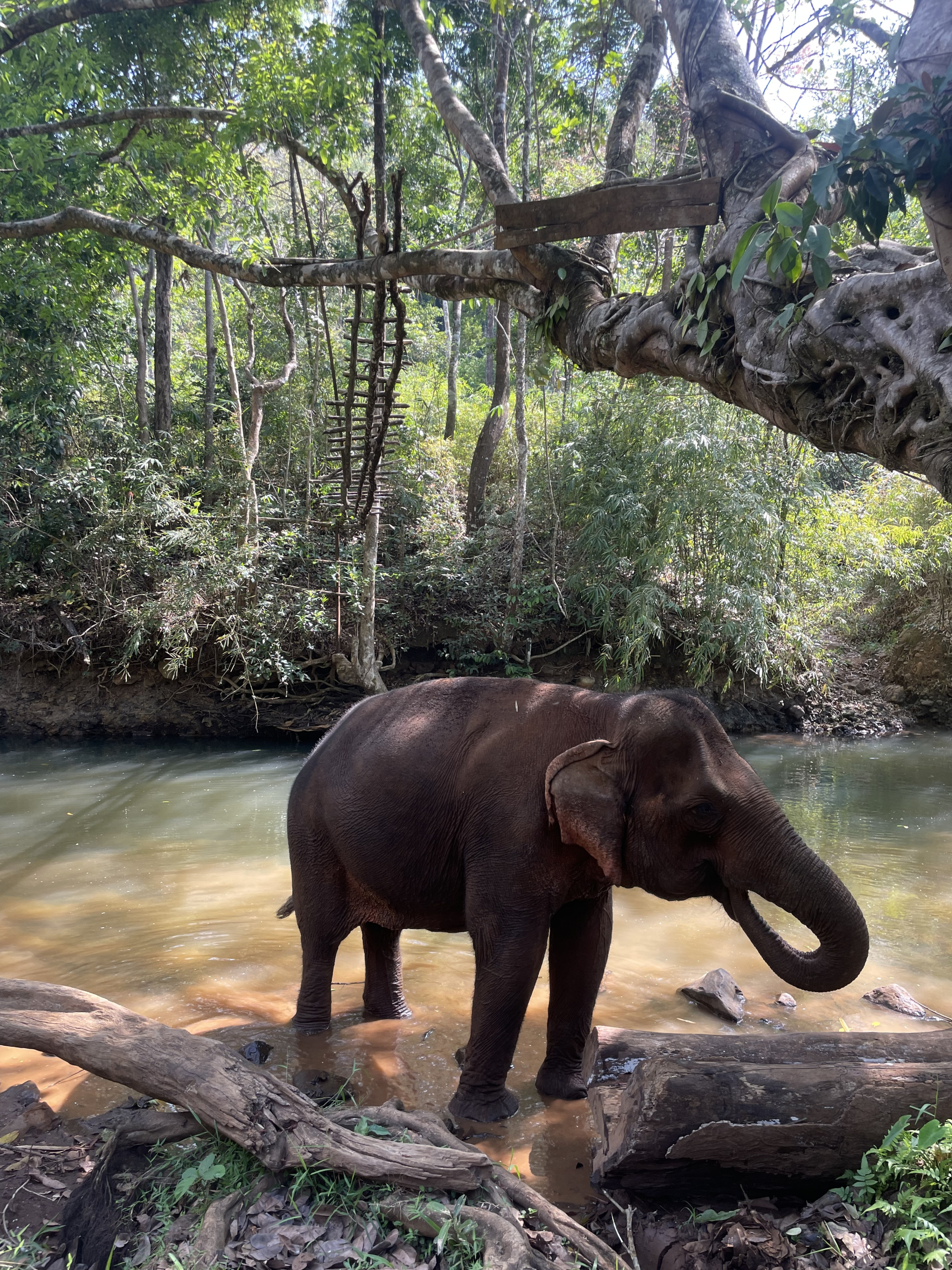
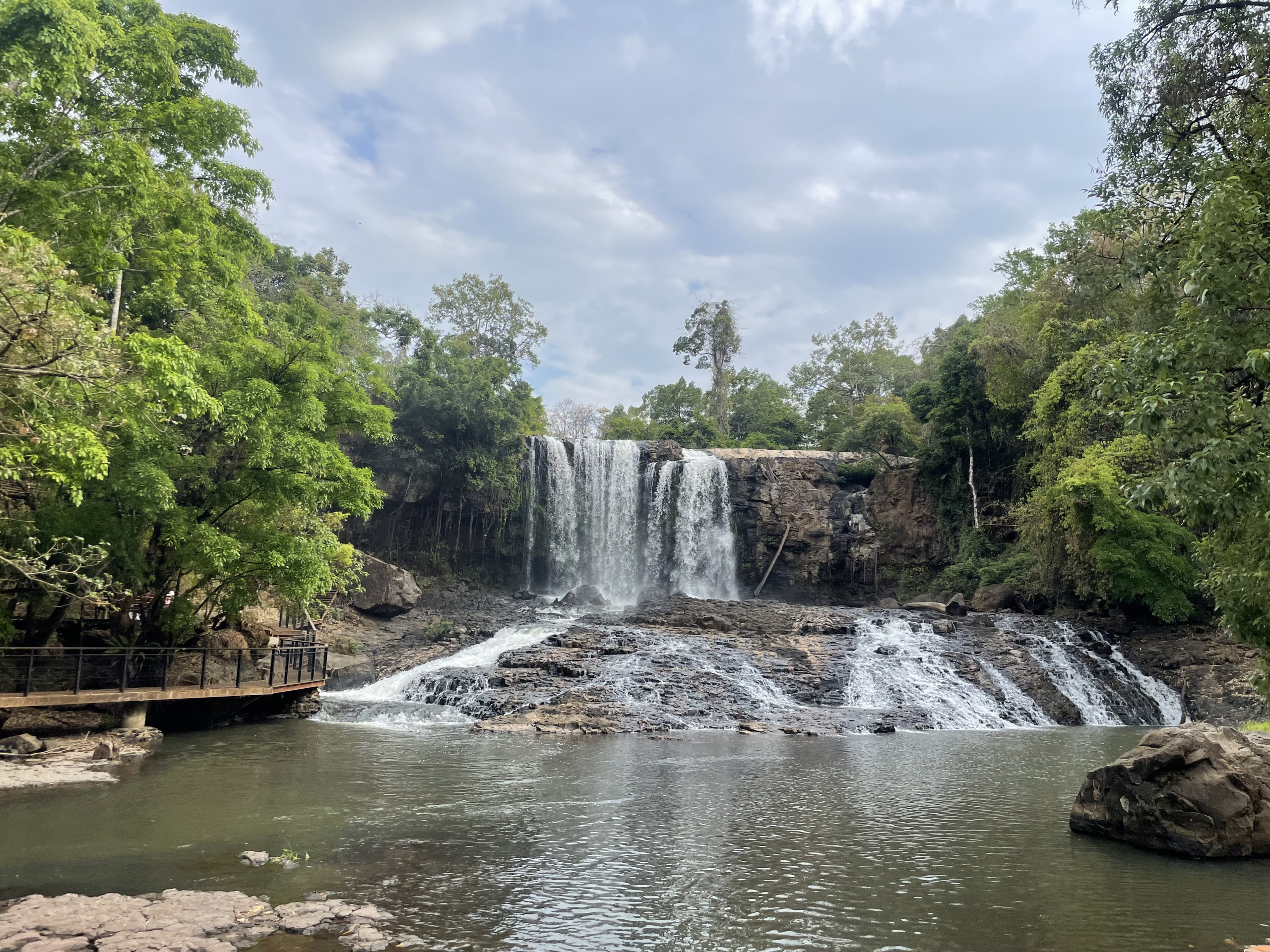
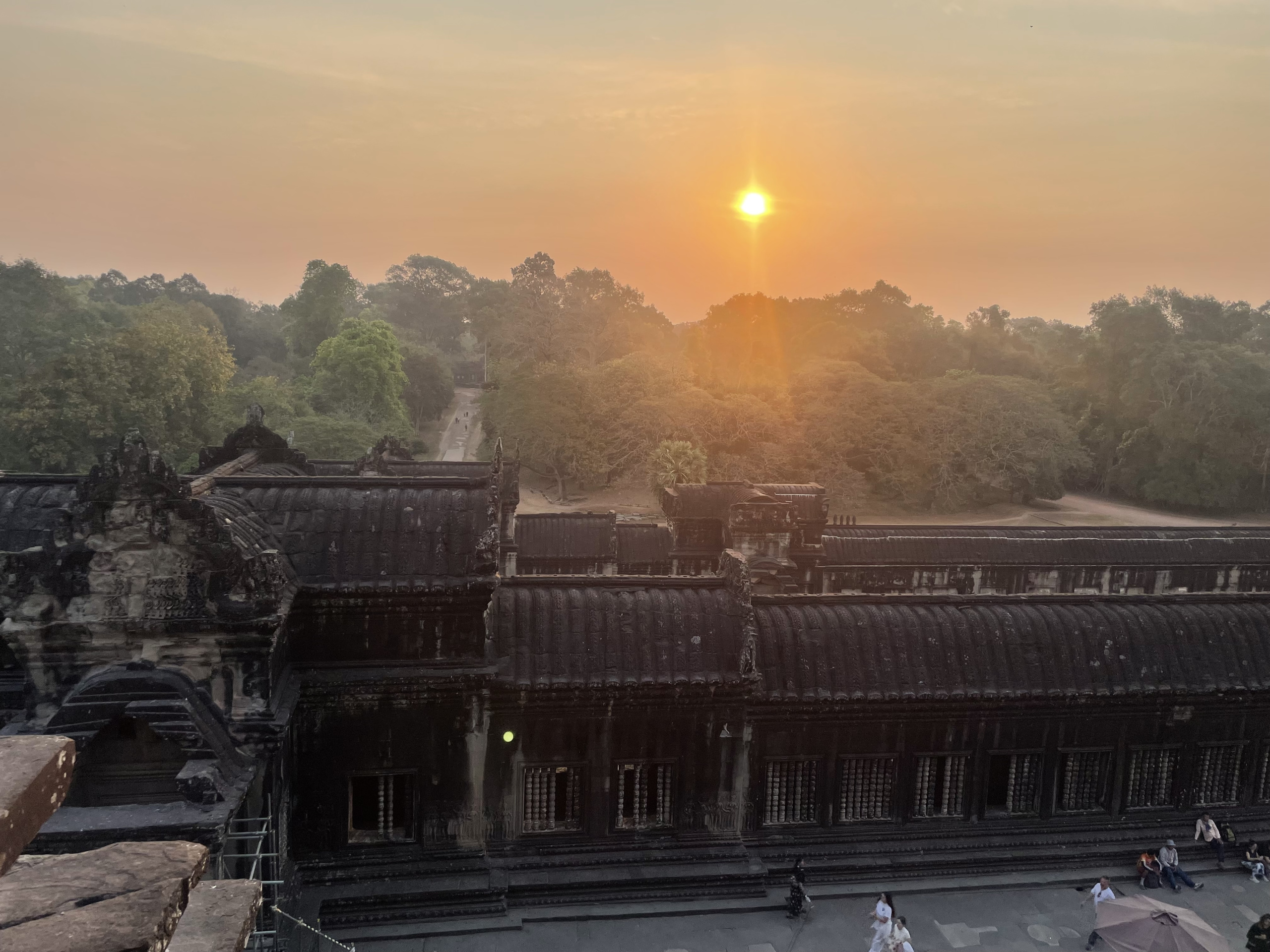
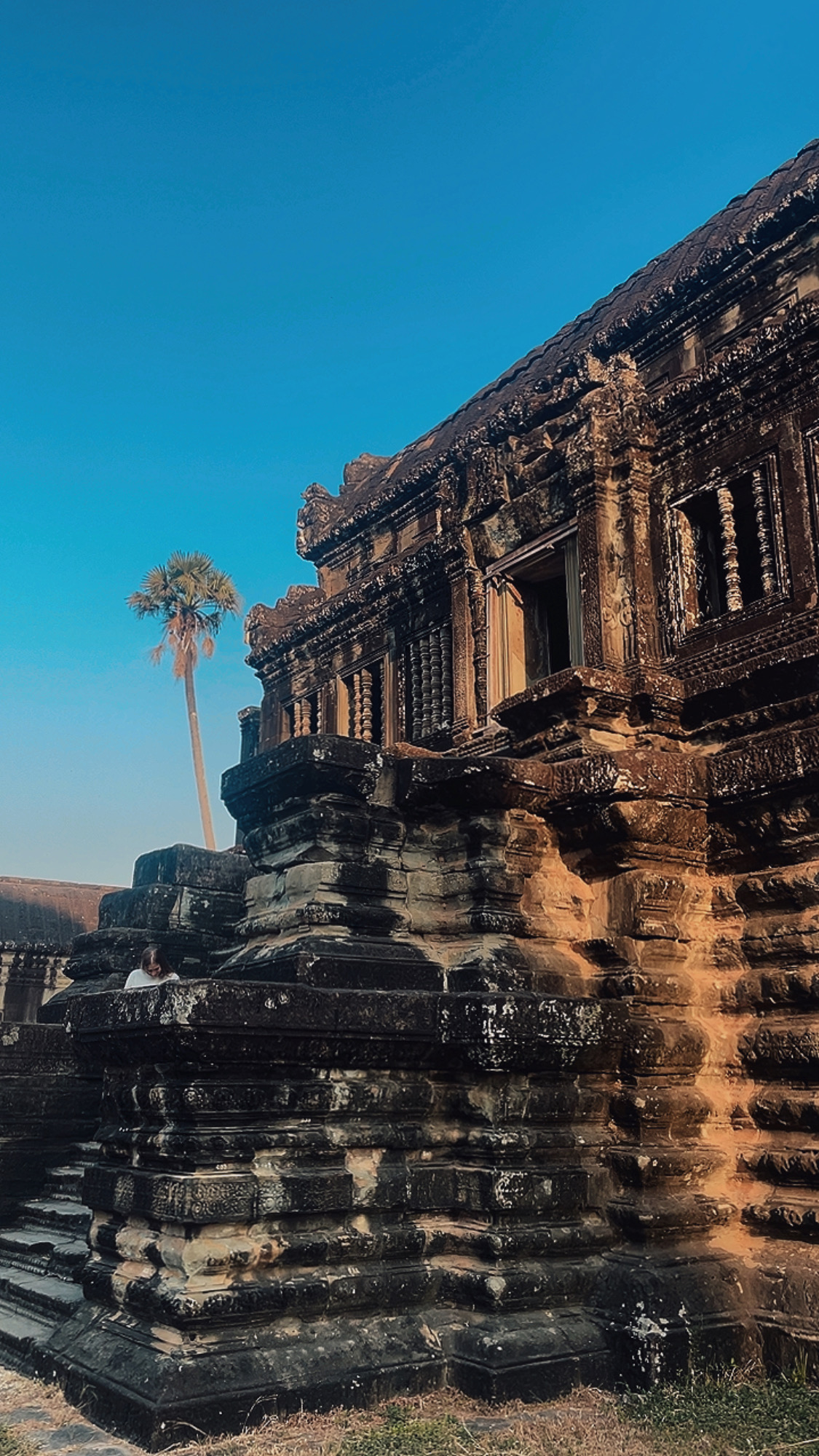
In addition to my clinical placement, I had the enormous pleasure of travelling through Cambodia more widely, spending time in Siem Reap and the Mondulkiri province where I participated in a jungle trek and visited the PIDA eco-coffee farm.
Published: 11 September 2026
Explore Univ on social media