Leiden Oxford Transplantation Summer School 2025
 Graduate Research Training Fund report – Naeem Abdul Ghafoor (2024, DPhil in Surgical Sciences)
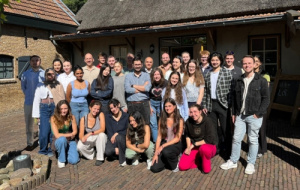
At the beginning of the summer, I had the pleasure of attending the Leiden Oxford Transplantation Summer School (LOTS), a four-day summer school focused on organ transplantation jointly organized by Leiden University Medical Center and the University of Oxford. The program was designed to bring together students with an interest in transplantation from clinical and non-clinical backgrounds to explore clinical, immunological, and ethical aspects of the field through lectures, workshops, and group activities. This trip was made possible by the generous support of the Graduate Travel grant from University College; I am grateful to my College, the grant, and its trustee for this opportunity.
Day 1
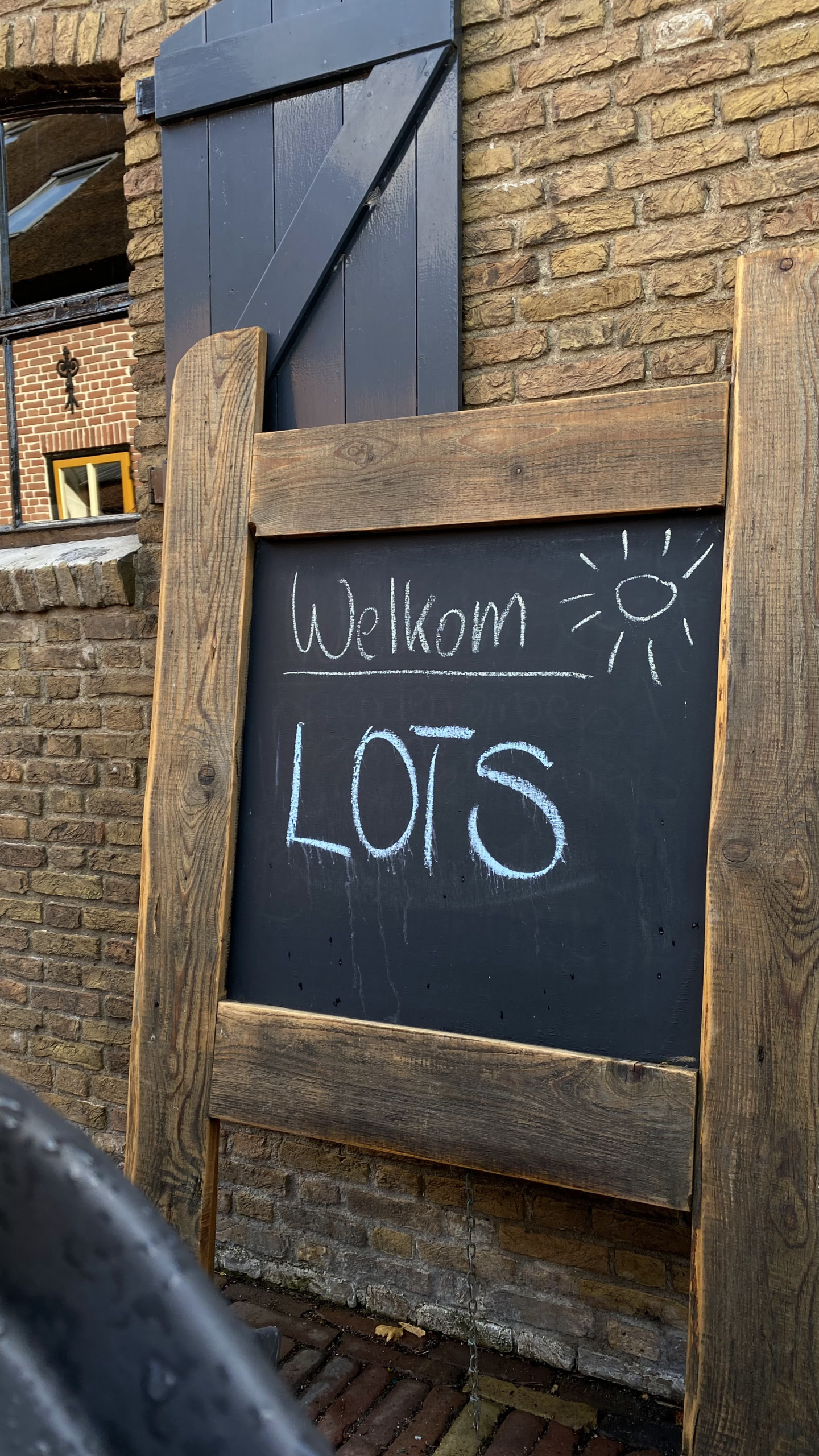
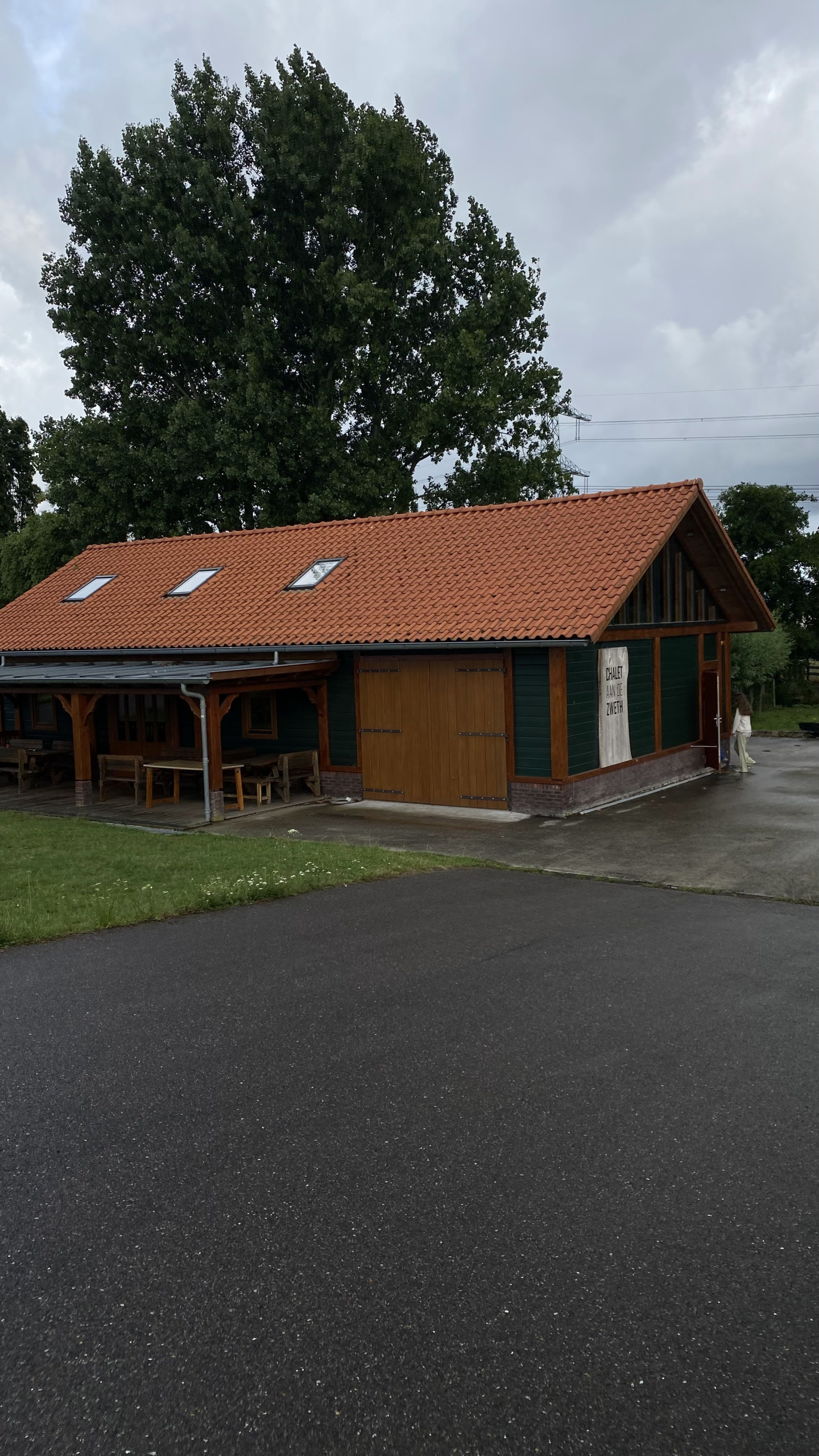
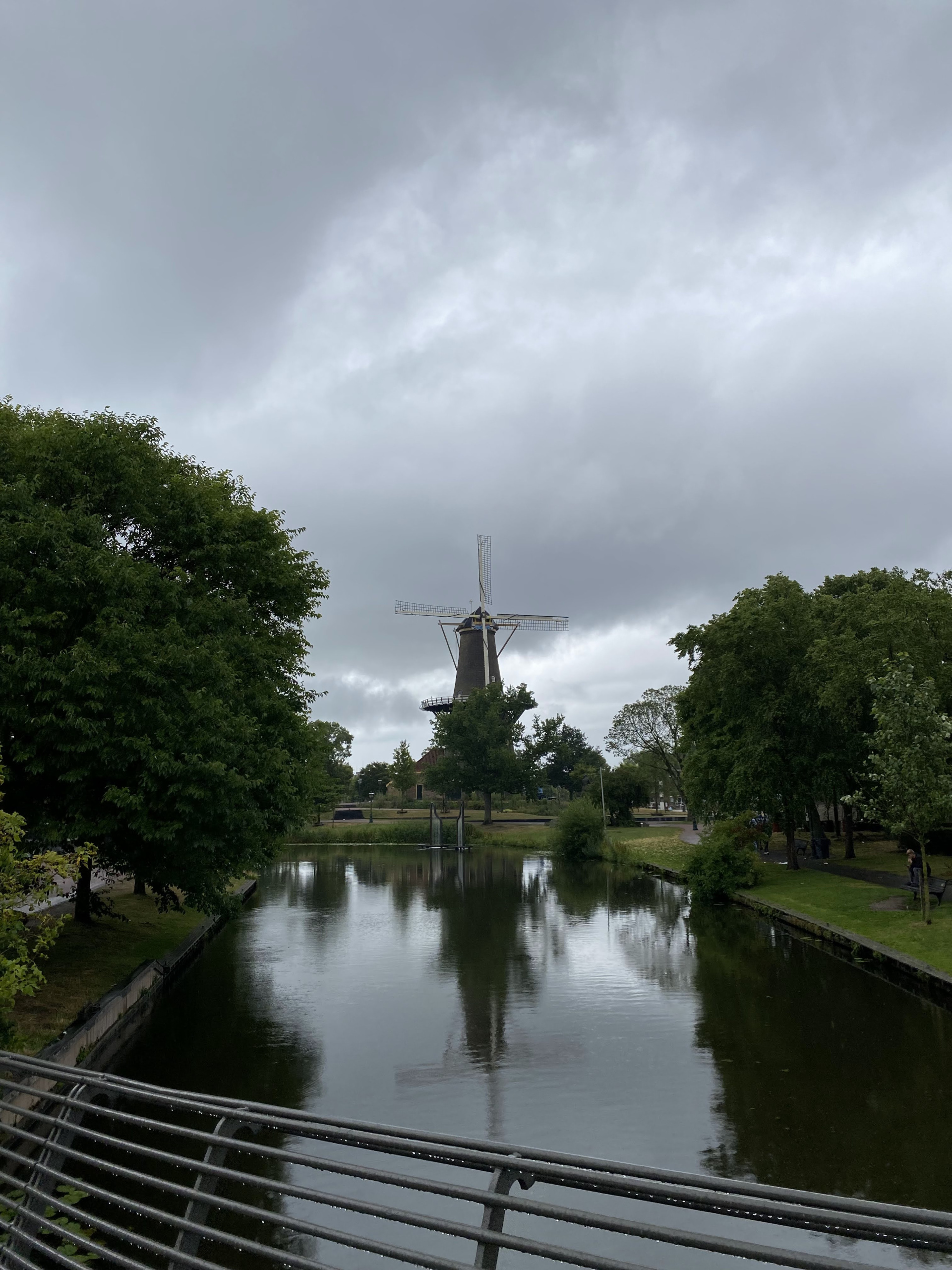
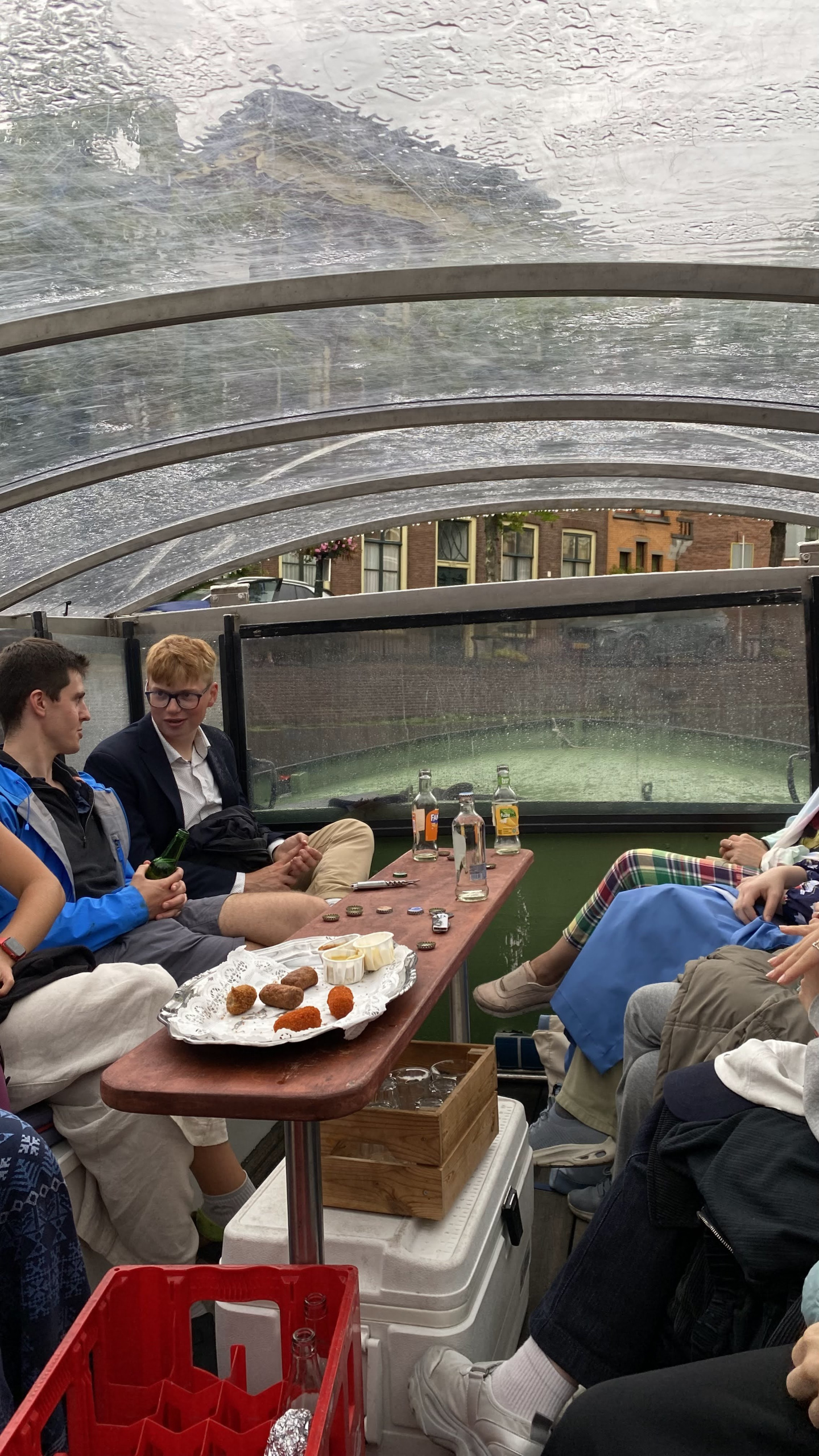
The summer school began as everyone arrived at Leiden, a beautiful historic city with canals running through its center and a reputation as a hub for science and education—it is home to the Netherlands’ oldest university. We started with a boat trip, which was a great way to take in the city’s old brick houses and bridges while meeting other participants and the organizing team in an informal setting. Afterward, we took the bus to Wateringen, where we stayed in a converted farmhouse for the rest of the program. In the evening, we had formal introductions to the faculty, went over the program schedule, and received our group assignments for the presentations that we would work on over the next few days.
Day 2
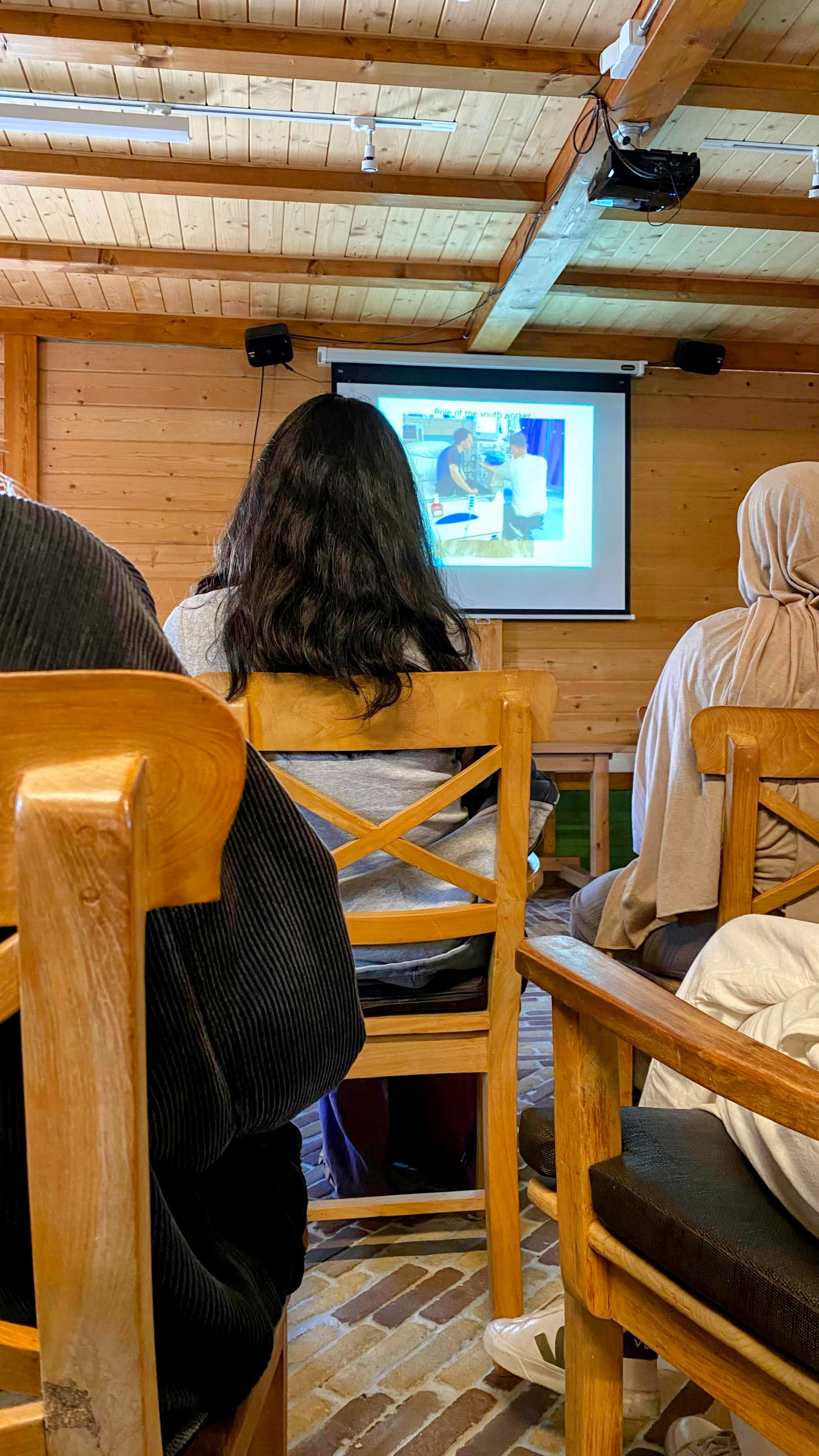
The morning was dedicated to lectures and workshops on transplantation immunology, covering sensitization and humoral rejection, led by speakers from both Oxford University and Leiden University Medical Center. It was a brief introduction into the immune barriers that make transplantation so challenging – the immune system’s instinct to see a graft as foreign and attack it, and sensitization, often from previous transplants, transfusions, or pregnancies which can make matching and rejection prevention much harder. We also looked at strategies to manage these risks, from immunosuppressive drugs to desensitization protocols. In the afternoon, the focus shifted to the clinical and surgical side, particularly towards organ retrieval, preservation, operative techniques, and the realities of working in transplantation teams.
Day 3
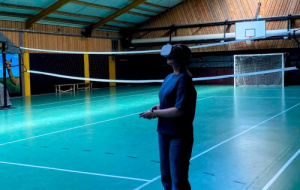 The morning began with a talk from a kidney transplant recipient, who outlined their journey from diagnosis to living with a functioning graft. They described the impact of dialysis on their daily life, the uncertainty of waiting for a donor, the surgery and early recovery, and the ongoing commitment to immunosuppressive medication and regular monitoring. This provided a practical perspective that complemented the scientific content of the course. The following lectures focused on immunosuppressive regimens, their mechanisms of action, and common side effects, highlighting the need to balance rejection prevention with minimizing infection and toxicity risks. In the afternoon, we participated in a 3D virtual reality kidney transplant simulation, which demonstrated key steps of the surgical procedure, and attended a session on machine perfusion technologies aimed at improving organ preservation and viability.
Day 4
The final day was dedicated to group presentations on assigned topics in transplantation, which we had been researching and preparing over the previous two days. Each group summarized the key aspects of their topic and explained its relevance to clinical practice. Our team’s topic was on the importance of epitope matching in donor allocation. In our presentation, we provided an overview of the concept, explained how it differs from conventional HLA antigen matching, and outlined its potential role in improving organ allocation. The presentation was followed by a short discussion and feedback from faculty.
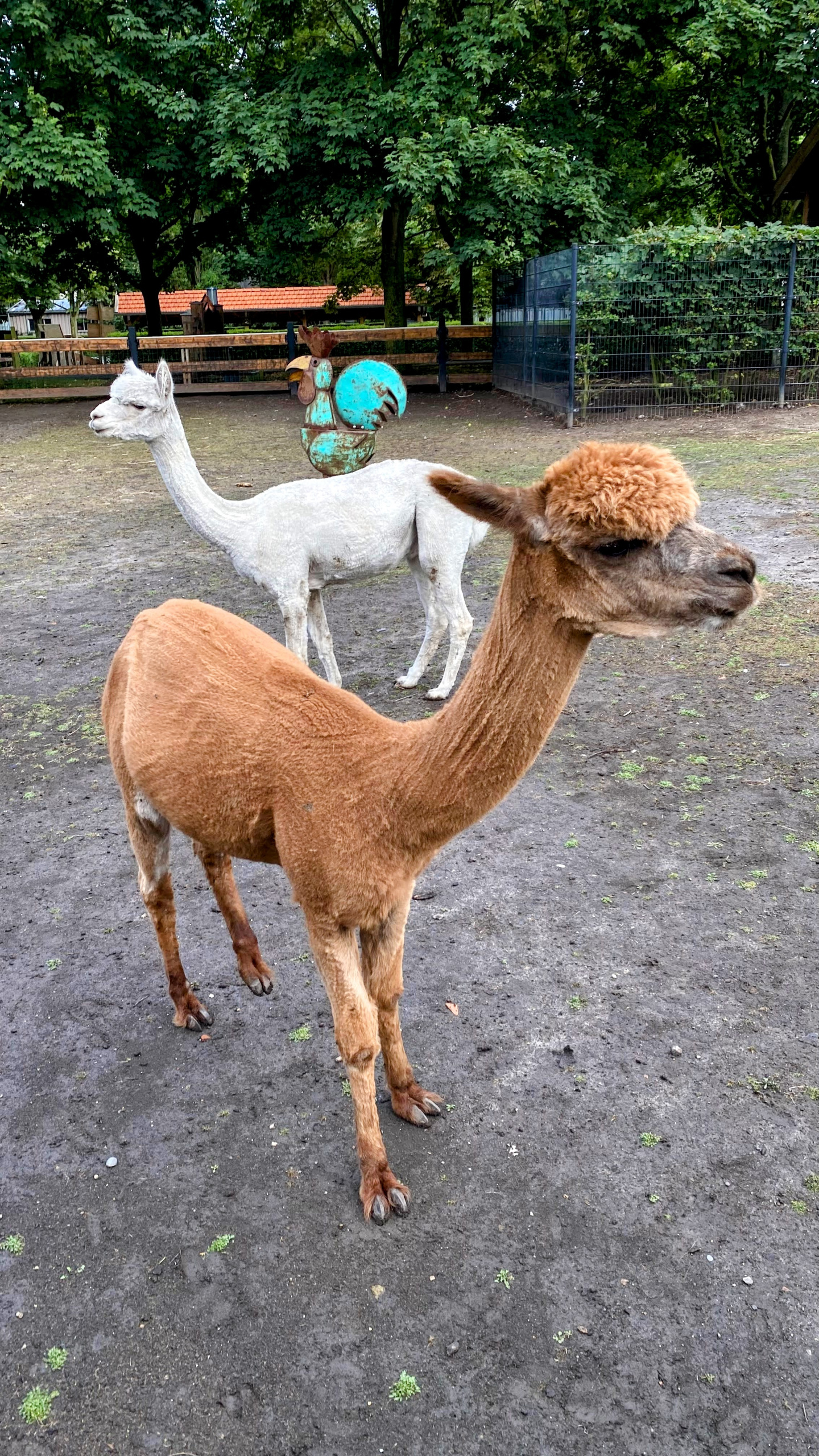
In addition to the structured lectures, workshops, and group assignments that took place throughout the mornings and afternoons, the evenings offered space for informal social activities. These included shared meals, sports, and games, which created opportunities to connect with fellow participants outside of the academic setting. The relaxed environment of the farmhouse—complete with resident chickens, goats and llamas—contributed to a friendly and calm atmosphere. These moments helped build connections with peers from different countries and backgrounds, and added a memorable, personal dimension to the overall experience.
Published: 26 September 2025
Explore Univ on social media